How Long Does It Take for a Chimpanzee to Walk?
July 2, 2025
What is Uganda Gorilla Trekking and How Does It Differ from Game Drive Safaris?
July 3, 2025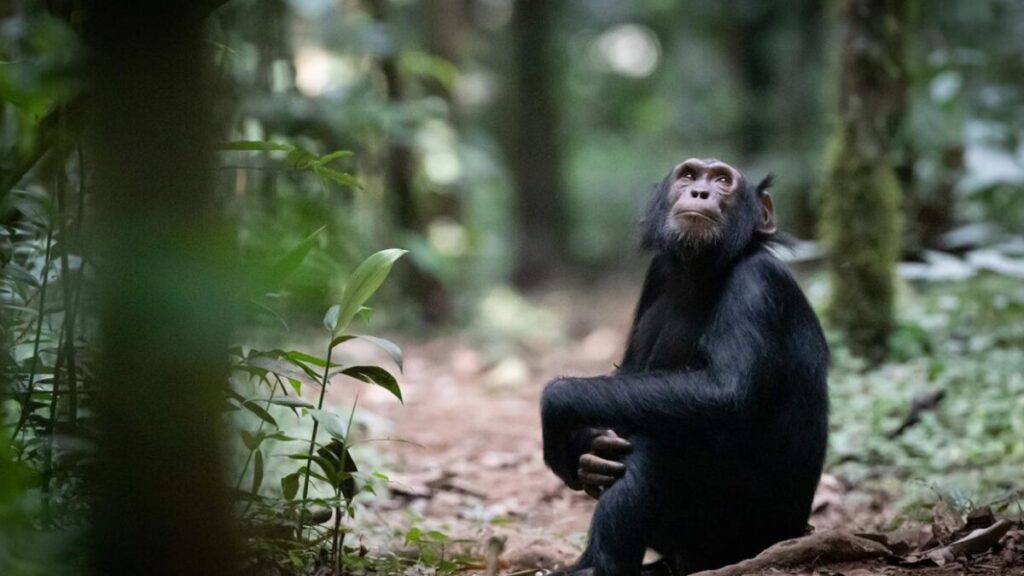
What Is the Lifespan of a Chimpanzee?
When planning a wildlife safari in East Africa, many travelers are fascinated by the remarkable creatures they may encounter, especially chimpanzees and gorillas. Among the frequently asked questions by visitors on Uganda safari or Rwanda safari is, What is the lifespan of a chimpanzee? This question not only reflects curiosity about chimpanzee biology but also deepens appreciation for the species’ behavior, conservation, and survival challenges.
Chimpanzee tracking forms a major highlight in Uganda and Rwanda, often combined with Gorilla Trekking Rwanda or Uganda Gorilla Trekking tours to provide a full primate experience. Understanding the lifespan of chimpanzees enriches the safari narrative, connecting visitors to the natural cycles and longevity of these remarkable primates in the wild and captivity.
This article by BLS Safaris Ltd offers a comprehensive overview of chimpanzee lifespan, integrating it into the larger context of wildlife safaris, conservation, and cultural encounters. Whether you’re considering a chimpanzee tracking tour or planning to combine it with gorilla trekking, this guide will enhance your understanding and prepare you for a meaningful journey into East Africa’s primate-rich forests.
Natural Lifespan of Chimpanzees in the Wild
How Long Do Chimpanzees Live in Their Natural Habitat?
In the wild, chimpanzees typically live between 33 to 38 years, though some individuals may surpass 40 years under optimal conditions. This lifespan is influenced by various factors such as habitat quality, availability of food, predation, disease, and human impact. The natural forests of Uganda and Rwanda—like Kibale National Park, Budongo Forest, and Nyungwe National Park—provide habitats where chimpanzees strive to survive and thrive.
Chimpanzee tracking, a key activity on any Uganda safari or Rwanda tour, offers visitors the chance to observe individuals at various stages of their life cycle—from playful juveniles to wise elders. Watching chimpanzees interact gives insight into their social structures, reproduction, and aging process, all linked closely to their lifespan.
In protected parks where conservation efforts are strong, chimpanzees tend to live longer due to reduced threats from poaching and habitat loss. For instance, chimpanzee populations in Uganda and Rwanda have benefited greatly from national park protections, enabling more individuals to reach their full lifespan potential.
Lifespan in Captivity vs. the Wild: A Comparative Look
Why Do Chimpanzees Live Longer in Zoos and Sanctuaries?
While chimpanzees typically live around 35 years in the wild, those in captivity often reach 50 years or more. Captive chimpanzees, housed in zoos or sanctuaries, benefit from regular veterinary care, steady food supply, and protection from predators and environmental hazards. This difference in lifespan underscores the challenges wild chimpanzees face daily.
During a wildlife safari in Uganda or Rwanda, many travelers wonder how the longevity of chimpanzees compares to other primates such as mountain gorillas encountered on Gorilla Trekking Rwanda or Uganda Gorilla Trekking tours. Gorillas, for example, generally live slightly longer in the wild—up to 40 to 50 years—though this varies widely.
Chimpanzee tracking experiences give visitors a chance to witness these primates in their natural environments, facing life’s daily challenges head-on. This perspective fosters greater respect and urgency for conservation efforts that aim to extend and protect chimpanzee lifespans in the wild through anti-poaching patrols, habitat preservation, and community education.
Integrating Chimpanzee Lifespan Knowledge into Your Safari Experience
Enhancing Your Uganda or Rwanda Tour with Primate Insights
Understanding What is the lifespan of a chimpanzee? enriches the narrative of your wildlife safari and can be especially rewarding when combined with other primate activities like gorilla trekking. Many tourists on a Uganda safari choose to combine chimpanzee tracking with Uganda Gorilla Trekking to experience the full spectrum of primate life cycles and social behaviors.
During chimpanzee tracking in Kibale or Nyungwe forests, guides share fascinating information about chimpanzee life stages, including infancy, adolescence, adulthood, and elder years. These insights help travelers appreciate the time and energy invested by chimpanzee mothers in raising offspring, the social bonds maintained throughout life, and the significance of aging individuals within the troop.
Beyond wildlife observation, incorporating cultural experiences—such as visiting indigenous communities or participating in traditional dance and storytelling—adds a unique dimension to your safari. These cultural interactions emphasize how local people coexist with primates and contribute to conservation, making your journey a well-rounded and meaningful adventure.
Conservation Challenges Affecting Chimpanzee Lifespan
Threats to Longevity and How Safaris Support Preservation
The lifespan of chimpanzees in the wild is increasingly threatened by habitat destruction, poaching, disease, and human-wildlife conflict. These challenges reduce their numbers and survival rates, cutting short what could otherwise be a natural life span of 35 to 40 years.
Wildlife safaris, particularly chimpanzee tracking tours in Uganda and Rwanda, play a critical role in funding conservation projects and raising global awareness. Visitors learn about these challenges during their tours and how organizations and governments are working to mitigate them. By participating in ethical chimpanzee tracking, tourists contribute directly to the protection and longevity of chimpanzee populations.
Moreover, combining Uganda Gorilla Trekking with chimpanzee tracking amplifies conservation impact, as revenues from tourism support both species and their habitats. Responsible tourism ensures that future generations will continue to enjoy the thrill of observing chimpanzees and gorillas thriving in their natural homes.
Cultural Experiences and Their Connection to Primate Conservation
Engaging with Local Communities on Your Wildlife Safari
Cultural experiences are an essential complement to wildlife safaris focused on primates like chimpanzees and gorillas. In Uganda and Rwanda, local communities have rich traditions that include reverence for forests and wildlife. Visiting these communities during your chimpanzee tracking or gorilla trekking tour provides perspective on how human culture and primate conservation are interconnected.
Activities such as visiting the Batwa pygmies in Uganda, participating in traditional craft workshops, or enjoying local music and dance help travelers connect deeply with the human aspect of conservation. These experiences demonstrate how local knowledge and cultural pride foster sustainable protection of chimpanzee habitats, positively impacting chimpanzee lifespan.
Combining Uganda Gorilla Trekking with chimpanzee tracking creates an ideal itinerary that balances wildlife adventure and cultural immersion. This holistic approach supports both environmental and social sustainability, ensuring a fulfilling safari for all.
Practical Tips for Your Chimpanzee Tracking Safari
Planning Your Journey with Lifespan and Wildlife Behavior in Mind
Knowing What is the lifespan of a chimpanzee? helps visitors better understand chimpanzee behavior during their wildlife safari. Since chimpanzees live several decades and have complex social systems, tracking them requires patience and respect for their natural rhythms.
Typically, chimpanzee tracking tours in Uganda and Rwanda last between two to six hours, depending on how far the chimpanzees have moved. Guides lead trekkers through dense forests, interpreting chimpanzee signs such as nests, vocalizations, and feeding spots. The physical demands can vary, so proper footwear, hydration, and fitness are recommended.
Tourists who combine chimpanzee tracking with Uganda Gorilla Trekking gain valuable experience in navigating forest terrain and observing primate behavior. This combination offers a rewarding challenge and a chance to appreciate the longevity and survival of two of Africa’s most iconic primates.
Conclusion: Embracing the Lifespan of Chimpanzees Through Your Safari Experience
In conclusion, What is the lifespan of a chimpanzee? is a vital question that enhances any Uganda safari or Rwanda safari experience involving chimpanzee tracking and gorilla trekking. With wild chimpanzees living around 35 to 40 years and longer lifespans possible in captivity, understanding these dynamics deepens travelers’ connection to the animals and the environments they inhabit.
Combining Uganda Gorilla Trekking with chimpanzee tracking offers a comprehensive, ethically responsible wildlife safari, enriched by cultural interactions that highlight local conservation efforts. BLS Safaris Ltd is committed to providing expertly guided, memorable safari experiences that illuminate the fascinating lives and longevity of chimpanzees, gorillas, and other remarkable wildlife.
Begin your journey today to explore East Africa’s pristine forests, meet extraordinary primates, and engage with vibrant cultures—all while supporting vital conservation initiatives ensuring these species thrive for generations to come.