
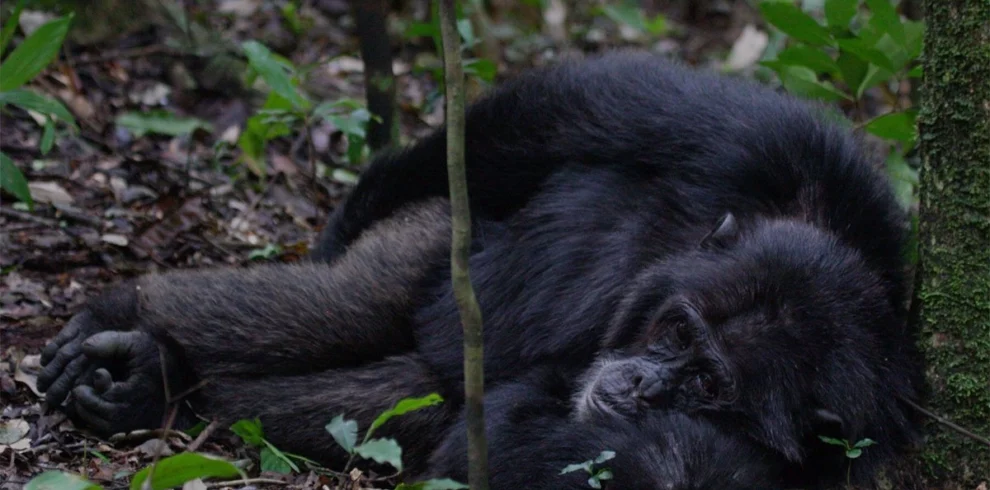
5-Day Uganda Safari with Gorilla Trekking and Chimpanzee Tracking Experience Embark on an unforgettable 5-Day Uganda Safari that promises an exhilarating blend of gorilla trekking and chimpanzee tracking. Uganda, known as the “Pearl of Africa,” offers stunning landscapes, diverse
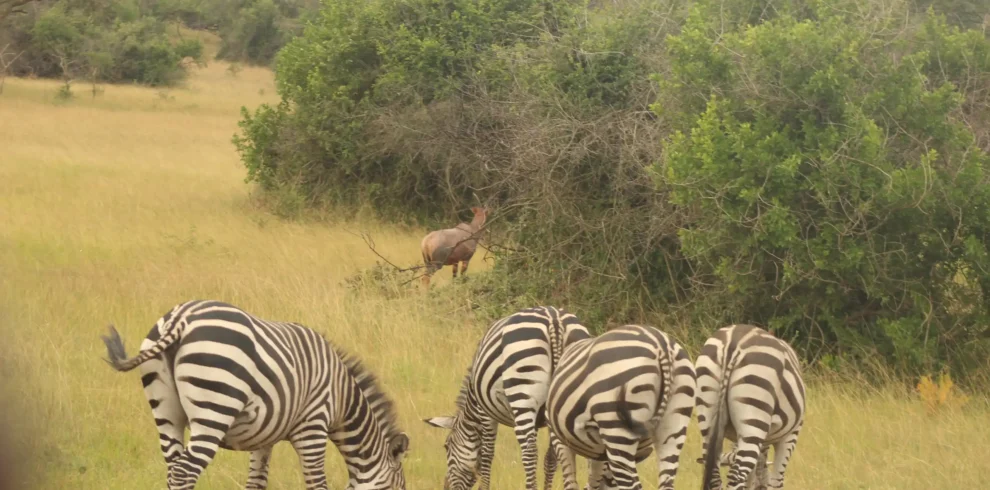
The Allure of Kidepo Valley National Park Uganda, often referred to as the “Pearl of Africa,” boasts an impressive array of national parks, each with unique landscapes, rich wildlife, and diverse cultural experiences. Among these treasures lies Kidepo Valley National Park, a re
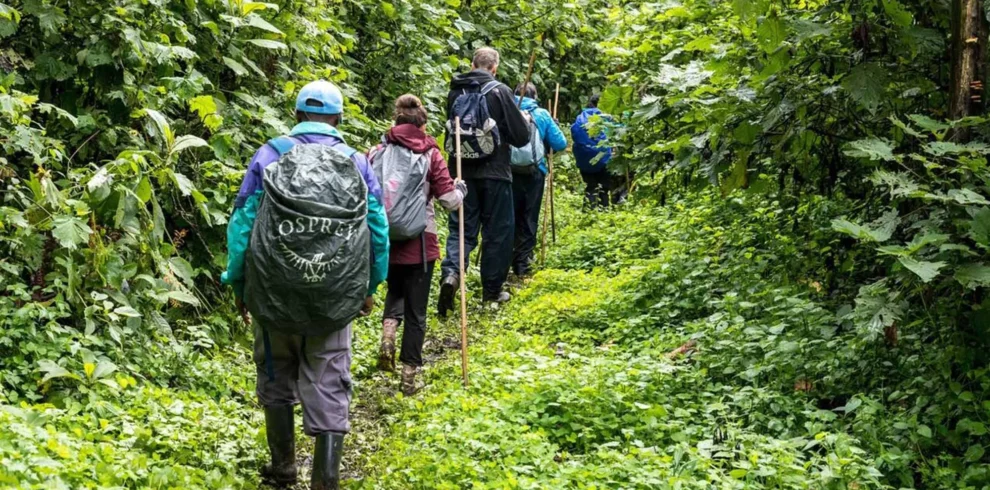
Embark on a thrilling 2-Day Bwindi Gorilla Trekking Safari from Kigali, where you will experience the awe-inspiring majesty of mountain gorillas in their natural habitat. Nestled within the lush, dense forests of Uganda’s Bwindi Impenetrable National Park, this adventure promis

Embarking on the 9 Days Uganda Wildlife and Gorillas Adventure Tour offers an unparalleled opportunity to immerse yourself in the stunning landscapes and vibrant wildlife of Uganda, famously dubbed the “Pearl of Africa” by Winston Churchill. This expedition encompasses an array o
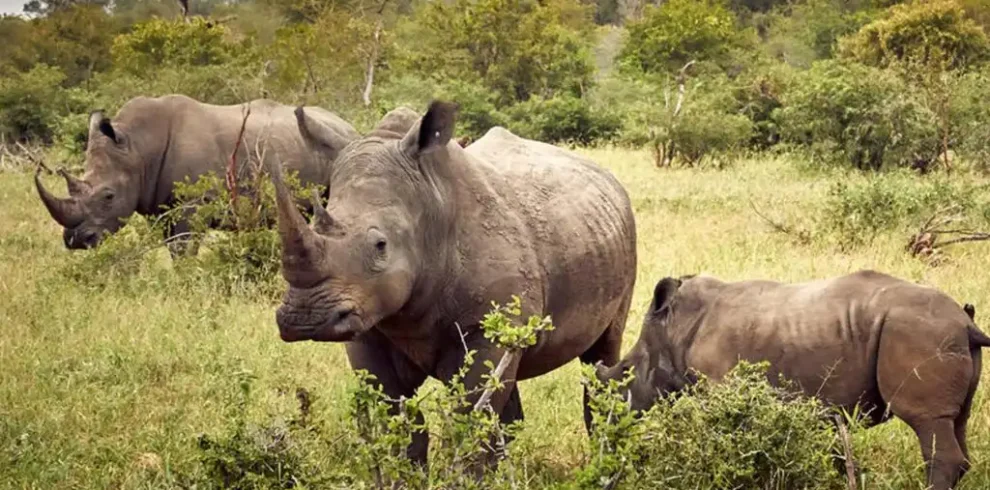
An Exceptional Wildlife Journey Crafted by BLS Safaris Ltd The 10 Days Uganda Safari: The Big Five, Forest And Lakes Safari introduces travelers to Uganda’s most iconic wildlife destinations while revealing breathtaking forests, savannahs, lakes, and vibrant cultures. This extrao

Uganda, famously known as the Pearl of Africa, offers one of the most extraordinary safari experiences on the continent. This 6-Day Uganda Gorilla Trekking & Wildlife Safari takes you deep into the heart of East Africa, combining thrilling wildlife encounters with unforgettable g
The 7-Day Uganda Safari is an unforgettable journey through the “Pearl of Africa,” combining thrilling wildlife encounters, breathtaking landscapes, and rich cultural experiences. This carefully designed Uganda safari takes you to some of the country’s most iconic destinations, i
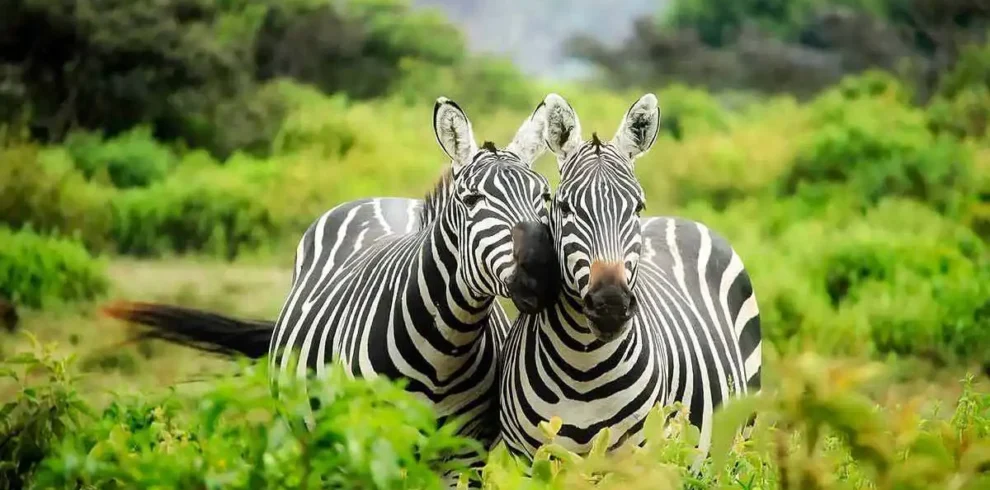
4-Day Lake Mburo & Lake Bunyonyi Safari in Uganda This 4-day Uganda safari to Lake Mburo National Park and Lake Bunyonyi offers the perfect combination of wildlife, relaxation, and scenic beauty. Ideal for travelers seeking a short Uganda safari, this itinerary includes excitin
This 3-day Bwindi gorilla trekking safari and Lake Bunyonyi tour offers the perfect combination of adventure and relaxation in Uganda. Experience a once-in-a-lifetime encounter with mountain gorillas in Bwindi Impenetrable National Park and unwind at the scenic Lake Bunyonyi, one
This 1-day Uganda gorilla trekking tour from Kigali is the perfect short safari for travelers who want to see mountain gorillas in Bwindi Impenetrable National Park within limited time. Starting early from Kigali, this tour includes transport, gorilla permits, and expert guidance
This 4-day gorilla trekking and night safari in Uganda offers an incredible combination of wildlife adventure and scenic beauty. Experience a thrilling night game drive in Lake Mburo National Park, track endangered mountain gorillas in Bwindi Impenetrable National Park, and unw
Welcome to Uganda, famously dubbed the “Pearl of Africa,” where lush landscapes, diverse wildlife, and vibrant cultures await. This 5-Day Uganda Experiential Safari offers an exhilarating journey through some of the country’s most iconic national parks, including Lake Mburo and B
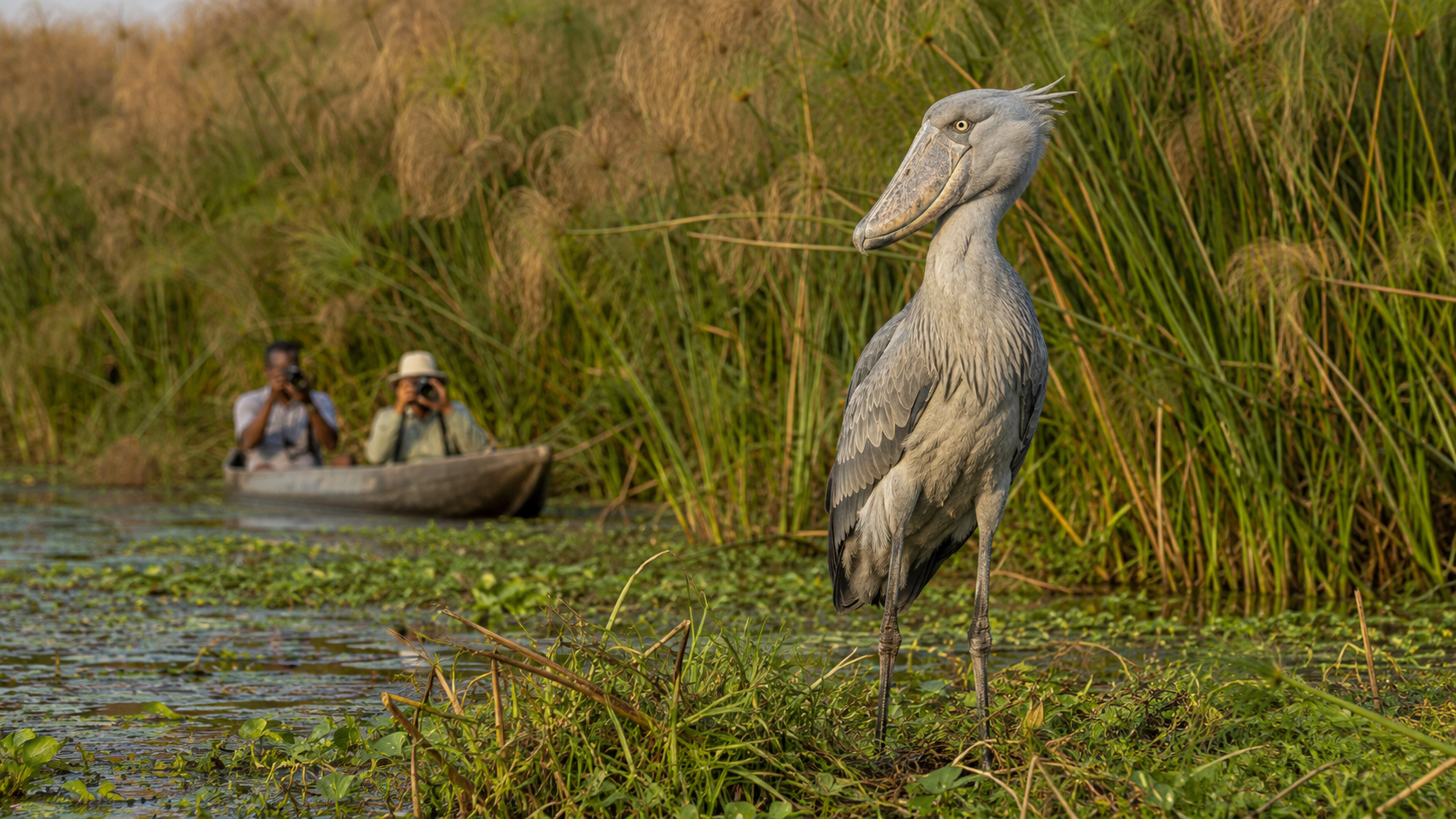
Mabamba Wetland Shoebill
Uganda Safari Permit Fees and Activity Costs
| Activity | Location | Permit / Entry Cost | Best Season |
|---|---|---|---|
| Gorilla Trekking | Bwindi Impenetrable National Park / Mgahinga Gorilla National Park | $800 peak season, $600 in April, May and November | June to September, December to February |
| Gorilla Habituation Experience | Bwindi Impenetrable National Park, Rushaga sector | $1,800 per person | June to September, December to February |
| Chimpanzee Tracking | Kibale Forest National Park | $250 peak season, $200 in April, May and November | June to August, December to February |
| Game Drives | Queen Elizabeth, Murchison Falls and Kidepo Valley National Parks | Park entry fees vary by park | June to September, December to February |
| Boat Safari on Kazinga Channel | Queen Elizabeth National Park | Usually $30 to $40 per person | Year round |
| Boat Cruise to Murchison Falls | Murchison Falls National Park | Usually $30 to $40 per person | Year round |
| White Water Rafting | Jinja, River Nile | Usually $125 to $160 per person | Year round |
| Golden Monkey Tracking | Mgahinga Gorilla National Park | $100 per person | June to September, December to February |
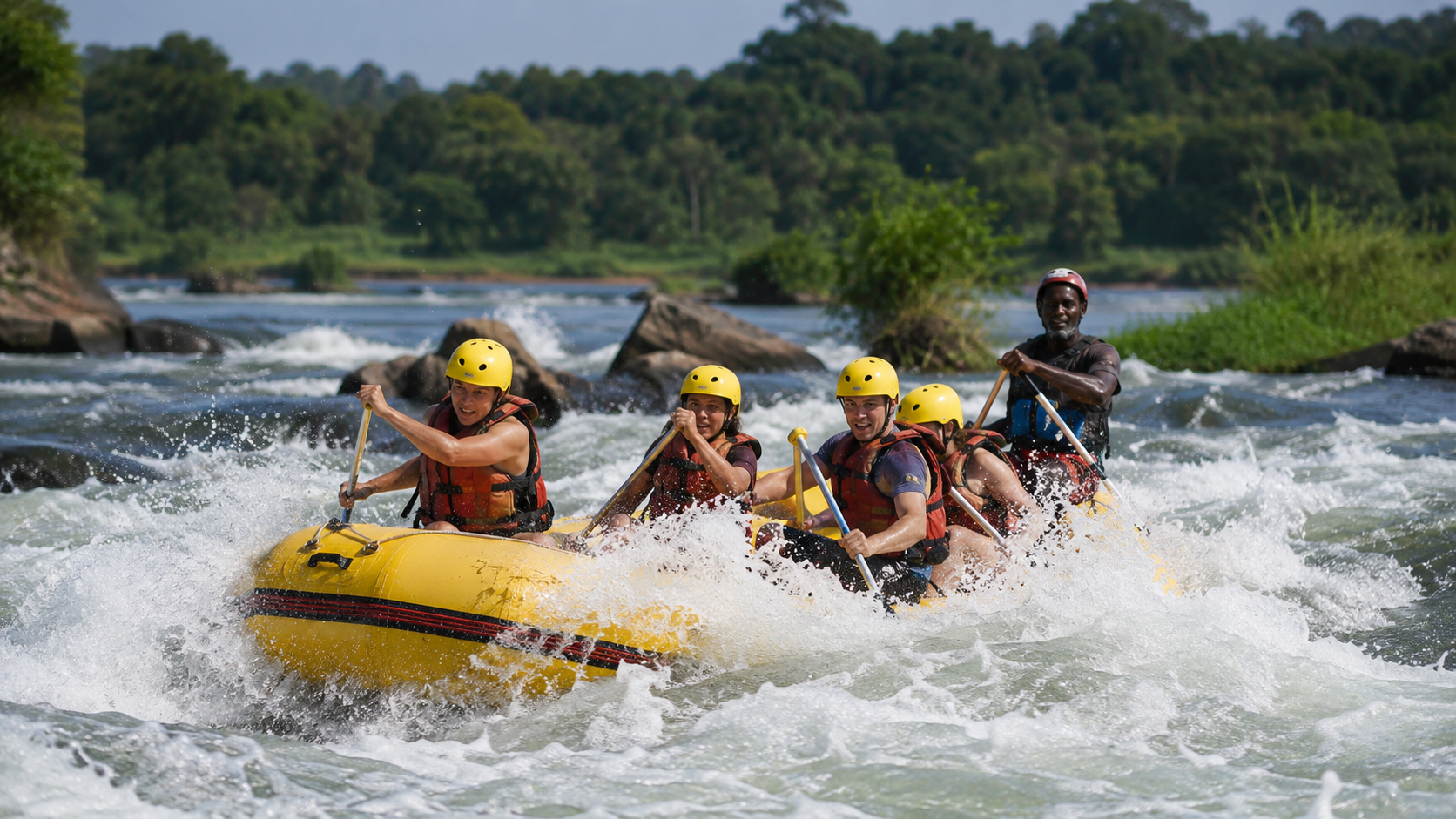
Tourists kayaking on the Nile River in Jinja, Uganda
Uganda is one of the few safari destinations where visitors can combine mountain gorillas, chimpanzees, and traditional wildlife viewing in a single journey. This gives Uganda a different position from the more familiar safari routes in Kenya and Tanzania, which are often built mainly around savannah wildlife and big migration landscapes.
A Uganda safari brings together rainforests, savannahs, lakes, rivers, mountains, wetlands, and local communities. You can begin the day walking through a forest in search of chimpanzees, then spend the next afternoon watching elephants and hippos along the Kazinga Channel in Queen Elizabeth. You can trek gorillas in Bwindi, relax at Lake Bunyonyi, continue to Lake Mburo for a walking safari, and end the journey with a calm wildlife stop before returning to Entebbe.
Uganda is also strong for visitors who want variety without losing the personal feel of the journey. The parks are not always crowded in the same way as Kenya and Tanzania, and many routes still feel grounded, scenic and close to the country itself. The roads pass through towns, farms, highlands, tea estates, crater lakes and villages, so the journey between parks becomes part of the safari experience.
For travellers comparing East African safari options, Uganda is especially strong when the goal is to combine gorilla trekking, chimpanzee tracking, wildlife game drives, boat safaris and scenic travel in one country.
Best Places to Visit on a Uganda Safari
Uganda’s safari parks each bring a different part of the safari experience and usually follow three route styles. The first is a short route, where the visitor focuses on one destination, such as Murchison Falls, Lake Mburo, Ziwa Rhino Sanctuary or Bwindi. The second is a western Uganda circuit, which may combine Kibale, Queen Elizabeth, Bwindi and Lake Mburo. The third is a longer national route, which can include Murchison Falls, Kibale, Queen Elizabeth, Bwindi, Lake Mburo and sometimes Kidepo Valley or eastern Uganda.
Bwindi Impenetrable National Park for Gorilla Trekking
Bwindi Impenetrable National Park is Uganda’s main gorilla trekking destination and one of the most important stops on many Uganda safari routes. The park is known for its dense rainforest, mountain gorillas, trekking sectors, and forest lodges spread across different parts of southwestern Uganda. Bwindi works well for visitors whose main purpose is gorilla trekking.
It can also be combined with Lake Bunyonyi, Queen Elizabeth National Park, Kibale National Park, Lake Mburo National Park, or a Kigali route depending on the visitor’s arrival point and available days. The planning detail that matters most in Bwindi is sector matching. The gorilla trekking permit, lodge and road route should work together because the park is large, and moving between sectors can take time.
Mgahinga Gorilla National Park for Gorillas and Golden Monkeys
Mgahinga Gorilla National Park is another important gorilla trekking park in southwestern Uganda. It is also known for golden monkey tracking, volcano scenery and its location within the Virunga region. Mgahinga works well for visitors who want a quieter gorilla route or a safari that connects well with Rwanda. It can also suit visitors interested in combining gorilla trekking, golden monkeys, mountain views and cultural experiences around the border region (Democratic Republic of Congo and Rwanda borders). Because Mgahinga is smaller than Bwindi, it can feel more focused, but permit availability and lodge planning still need to be handled early.
Kibale National Park for Chimpanzee Tracking
Kibale National Park is Uganda’s strongest chimpanzee tracking destination, with chimpanzee permits going for $250 per person for a standard tracking and also offers a full-day habituation experience at $300 per person. Sighting success is excellent because of the high concentration of the habituated chimpanzee communities. The park is also home to 12 other primate species, including red colobus, grey-cheeked mangabey, and L’Hoest’s monkey. Kibale connects naturally with Queen Elizabeth National Park, the crater lakes region and Bwindi Impenetrable National Park. For many first-time visitors, Kibale gives the safari its first major primate experience before the route moves into savannah wildlife and later gorilla trekking
Queen Elizabeth National Park for Wildlife and Boat Safaris
Queen Elizabeth National Park is one of Uganda’s most popular wildlife safari parks because it combines several experiences in one destination. It is known for game drives, the Kazinga Channel boat safari, crater lakes, birdlife diversity, and a wide range of landscapes. With over 600 bird species and 95 mammal species, it is the most biodiverse park in Uganda. On wildlife drives, the northern Kasenyi Plains provide consistent views of lions, elephants, and Uganda kob. Hippos, crocodiles, elephants, and waterbirds can be seen up close on the Kazinga Channel boat ride, which links Lake George and Lake Edward. One of East Africa’s best-known places for seeing tree-climbing lions sleeping in fig trees is the Ishasha district in the south.
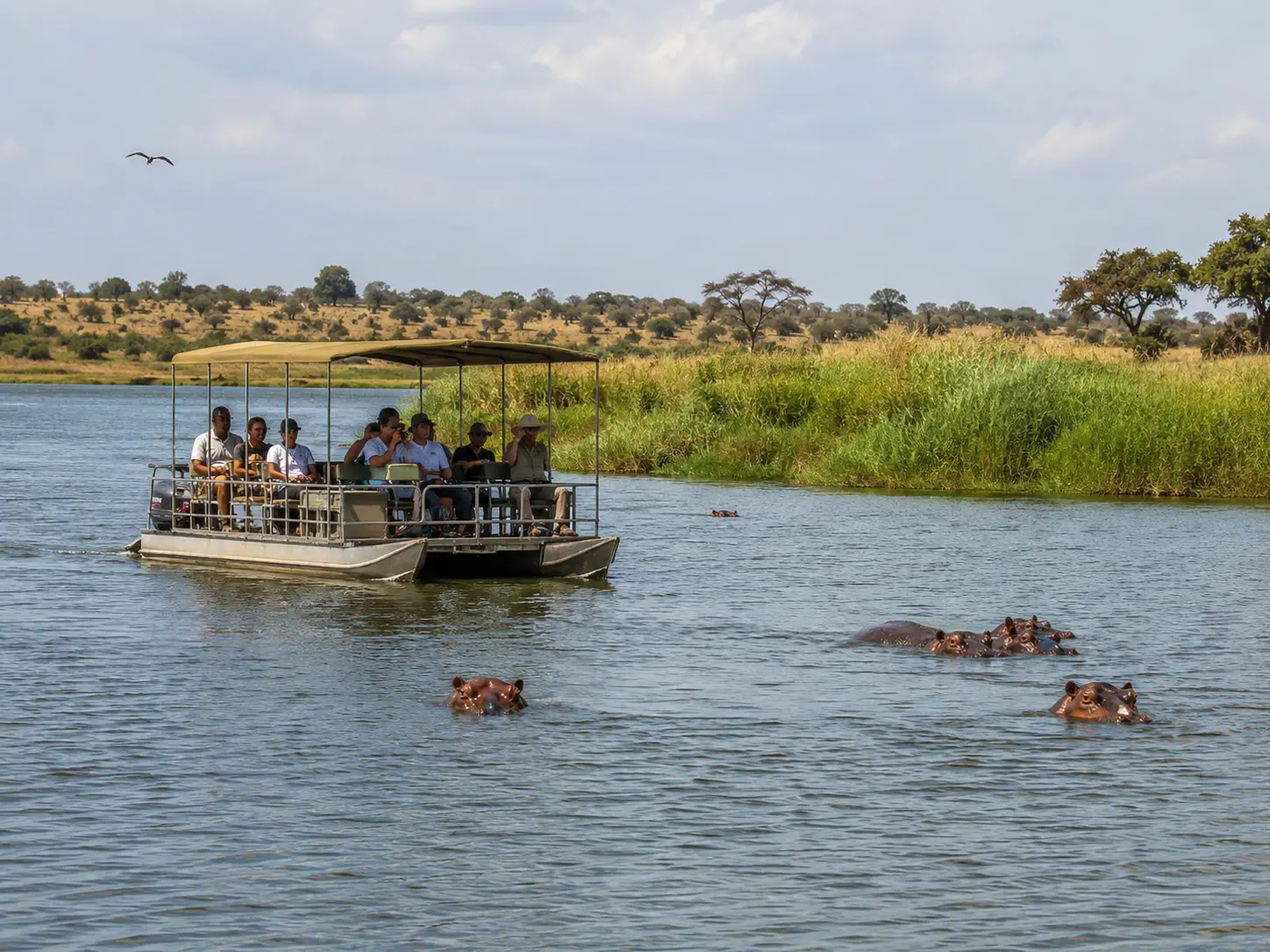
Kazinga Channel boat ride
Murchison Falls National Park for Game Drives and Nile Cruises
Murchison Falls National Park is one of Uganda’s strongest wildlife and scenery destinations. The park is known for the Nile, powerful waterfall views, boat cruises, game drives, and big game viewing. Lions, elephants, giraffes, buffaloes, and leopards can be found during game drives on the northern bank of the Nile. Hippos, crocodiles, and Nile monitor lizards can be seen up close on a boat ride down the Nile to the base of the falls. By road, it takes around four to five hours to get to the park from Kampala. A rhino sighting on foot that is unattainable elsewhere in Uganda is completed with a stop at Ziwa Rhino Sanctuary along the way to the park.
Kidepo Valley National Park for Remote Wildlife Safaris
Kidepo Valley National Park gives Uganda safaris a more remote wilderness feeling. The park is renowned for its semi-arid landscape, extremely low visitor numbers, and unique species including cheetahs, caracals, and Karamoja agama lizards that are uncommon in other Ugandan parks. Elephants, buffaloes, lions, and eland are concentrated around seasonal water points in the Narus Valley, which serves as the primary game-viewing circuit. Since the road trip to Kidepo takes more than 10 hours, road travel suits longer northern Uganda itineraries while flying makes more sense when time is limited.
Best Things to Do on a Uganda Safari
Uganda safaris are built around several core experiences. The right combination depends on your travel time, fitness level, budget, comfort preference and the main reason you are visiting.
Gorilla Trekking in Uganda’s Bwindi and Mgahinga Parks
Gorilla trekking is the highlight that brings many safari visitors to Uganda. The experience takes place in Bwindi Impenetrable National Park and Mgahinga Gorilla National Park, where visitors trek with guides and trackers in search of a habituated gorilla family. The day begins with a briefing at the park headquarters. After that, visitors enter the forest in groups of 8 people. The trek can take between 2 to 8 hours, depending on where the gorillas are located that day. Once the gorilla family is found, visitors spend one hour observing them as they feed, rest, move, and interact.
Chimpanzee Tracking in Uganda
Chimpanzee tracking in Uganda adds a strong primate experience to the safari. Kibale National Park is the leading destination for chimpanzee tracking and is often included before Queen Elizabeth National Park and Bwindi Impenetrable National Park on the western Uganda route. Chimpanzee tracking feels more active than gorilla trekking. Chimpanzees move faster, call loudly, and spend time in the trees and on the forest floor. You may hear them before you see them, and the forest can feel alive with movement, sound, and energy.
This experience works especially well for travellers who want a deeper primate safari. It also gives the itinerary a strong transition from forest to savannah when Kibale is followed by Queen Elizabeth National Park. Chimpanzee tracking in Uganda is best planned early because Kibale permits are in high demand, especially during busy travel months. The route, lodge location and activity timing should be arranged around permit availability.
Wildlife Game Drives
Wildlife game drives are the classic safari experience, and Uganda has several parks where game drives fit naturally into the route. Murchison Falls National Park, Queen Elizabeth National Park, Kidepo Valley National Park and Lake Mburo National Park are the main wildlife safari areas. Game drives are usually done early in the morning or late in the afternoon. These times give better chances of seeing wildlife when the temperatures are cooler and animals are more active. Depending on the park, visitors may see elephants, buffalo, giraffes, lions, leopards, antelopes, warthogs, hippos, crocodiles and many bird species. Uganda wildlife safaris are strongest when game drives are not rushed. A single drive can be rewarding, but the experience improves when the route allows enough time for morning drives, evening drives, boat safaris and lodge breaks.
Boat Safaris in Uganda
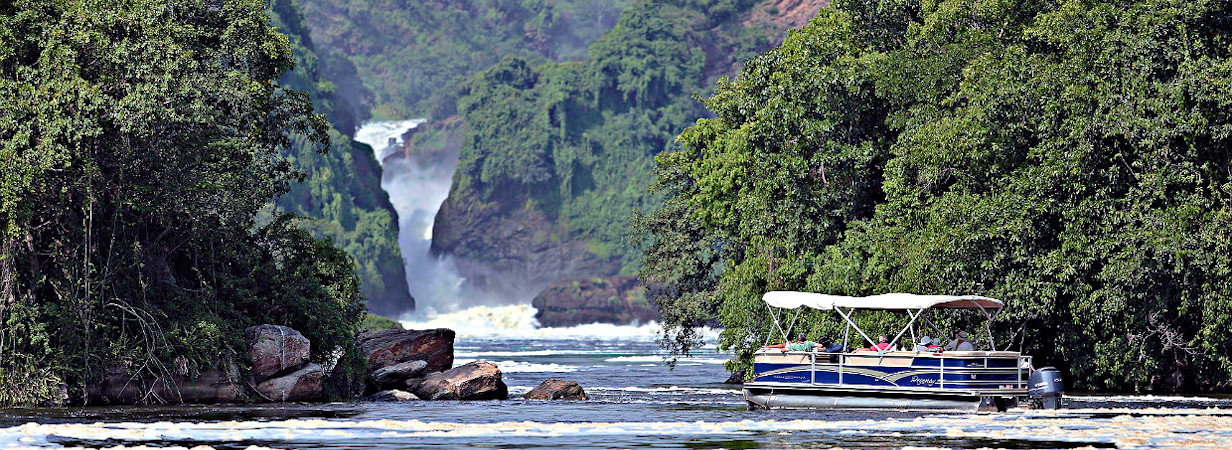
Boat safaris in Uganda are one of the best ways to experience wildlife from a different angle. Instead of driving through the park, visitors move slowly along rivers, channels or lakes while watching animals and birds along the shoreline. The Nile boat safari in Murchison Falls National Park gives visitors a chance to see the river, wildlife and the falls in one experience. The Kazinga Channel boat safari in Queen Elizabeth National Park is excellent for hippos, crocodiles, waterbirds and animals coming to drink. Lake Mburo boat trips offer a calmer experience that fits well into short safaris and western Uganda routes. Boat safaris are often planned after a morning game drive or transfer because they give the day a slower rhythm. They also help travellers who want strong wildlife viewing without spending every hour in a vehicle.
Birding Safaris in Uganda
Uganda birding safaris are strong because the country has a wide range of habitats, including wetlands, forests, savannah, lakes, rivers and highlands. Birding can be the main purpose of a trip or part of a general Uganda safari. Visitors interested in birding may include Mabamba Swamp, Bwindi, Kibale, Queen Elizabeth, Murchison Falls, Semuliki, Lake Mburo and Mabira Forest. Birding also fits naturally into boat safaris, forest walks, game drives and lodge stays. For general safari visitors, birds add colour and movement to the journey. For specialist birders, Uganda offers enough variety to build a full itinerary around different habitats.
Cultural Experiences During a Uganda Safari
Uganda cultural tours can add meaning to a safari when they are planned respectfully and naturally. Cultural experiences may include Batwa community visits near Bwindi and Mgahinga, Karamoja cultural experiences, local village walks, craft visits, and community activities around safari regions. These activities work best when they are not treated as fillers. They should fit the route and give visitors a better understanding of the people and places around the parks. A safari is stronger when the traveller not only sees wildlife but also understands the communities and landscapes connected to the journey.
Best Time to Visit Uganda for Safari
Uganda safaris can be done throughout the year, but the best time depends on your activities and comfort with weather changes. The drier months June to August and December to February. The demand for gorilla trekking permits in Bwindi and Mgahinga is at its peak at this time, which is also Uganda’s main safari season. The savannah vegetation thins out to improve sightlines, trails are dry, and game watching in Murchison and Queen Elizabeth is at its peak as animals concentrate around water sources. Permits sell out far in advance, and lodging costs are at their highest points. For travel in July and August, reserve gorilla permits at least 3 to 6 months in advance. The summer holidays in North America and Europe coincide with this window, which results in the biggest number of visitors of the year.
The wetter months from March to May and September to November can still be rewarding. Wet weather makes the walks to gorilla families more physically demanding and makes the forest trails in Bwindi and Kibale slippery. The benefit is that lodge rates are significantly discounted in all parks during this time, and gorilla trekking permits are reduced to $600 per person. The parks still have wildlife, and because migratory birds are active, birdwatching is great during this time. May in particular is a good option for travellers who are at ease with wet weather and are looking for better value.
How Much Does a Uganda Safari Cost?
Uganda safari prices depend on the number of days, permits, accommodation level, transport style, park fees, activities, and number of travellers.
Budget safaris
The price range is $250 to $350 per person each day. includes inexpensive meals, shared safari vehicles, and simple lodges or guesthouses that cost between $80 and $150 a night. Visitors in this tier often reserve lodges in the neighbourhood of the parks. Regardless of the lodging level, the gorilla permit is still $800. The permit is available for $600 during low-season months (April, May, and November) and lodge rates are reduced, resulting in a 15 to 25% reduction in the overall cost of the trip.
Mid-range safaris
The daily cost per person is between $450 and $700. Includes all park fees, a private 4WD safari vehicle with a guide, and comfortable lodges and permanent tented camps for $150 to $400 a night, full board. The majority of the highly sought-after lodging options in nearby areas of Bwindi, Queen Elizabeth, and Murchison Falls are included in this category. A 7-day mid-range Uganda safari that includes Queen Elizabeth, Bwindi, and Kibale usually costs between $3,000 and $5,000 per person, including the gorilla permit.
Private luxury safaris
The daily cost per person is between $1,000 and $2,500. Includes upscale hotels and luxurious tented camps at full-board rates of $500 to $1,000 per night, often in renowned areas near the parks. Apoka Lodge in Kidepo and Clouds Mountain Gorilla Lodge near Bwindi are examples of properties that serve at this standard. Exclusive game-viewing access, private guides, and domestic charter flights between parks are common features of luxury itineraries. A luxurious 7-day safari in Uganda might cost between $7,500 and $12,000 per person. Please note that all safari rates are subject to change based on availability and seasonal fluctuations, so you’re advised to confirm before booking.
Where to Stay on a Uganda Safari
Uganda safari lodges range from budget camps and community guesthouses to comfortable mid-range properties and exclusive luxury retreats. The right accommodation depends on your budget, preferred comfort, planned activities and safari route. Around Bwindi Impenetrable National Park, travellers can choose from simple guesthouses to premium forest lodges positioned near different gorilla-tracking sectors. Murchison Falls offers campsites, affordable lodges and established properties near the Nile, while accommodation around Kibale is designed for convenient chimpanzee tracking and access to the Fort Portal crater lakes. Queen Elizabeth National Park also provides varied options near Mweya, Kasenyi, Kyambura, Katunguru and Ishasha. When choosing a lodge, consider its exact location, travel time to activity starting points, meal plan and included services. All accommodation prices mentioned in this guide are estimates and may change without prior notice.
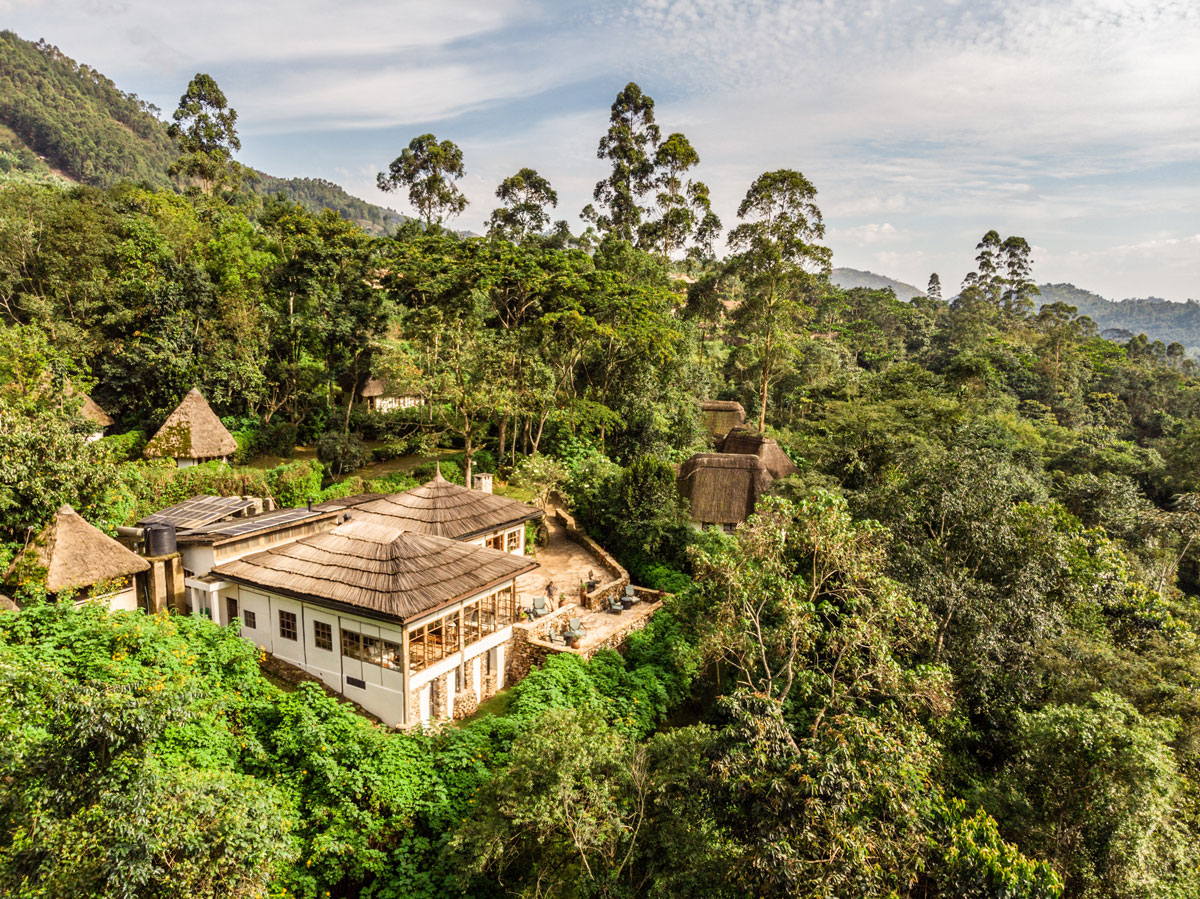
Bwindi Lodge
Category: Luxury
Best For: Gorilla trekking, forest views
and easy access to the Buhoma trekking sector.
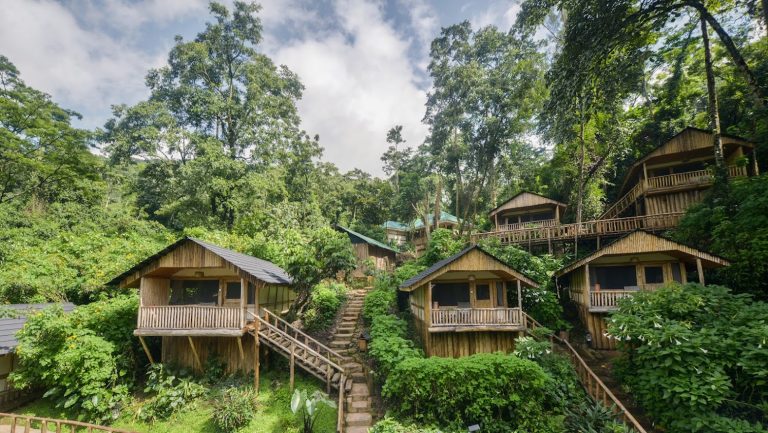
Clouds Mountain Gorilla Lodge
Category: Luxury
Best For: Gorilla trekking in Nkuringo,
couples and high-comfort forest stays.
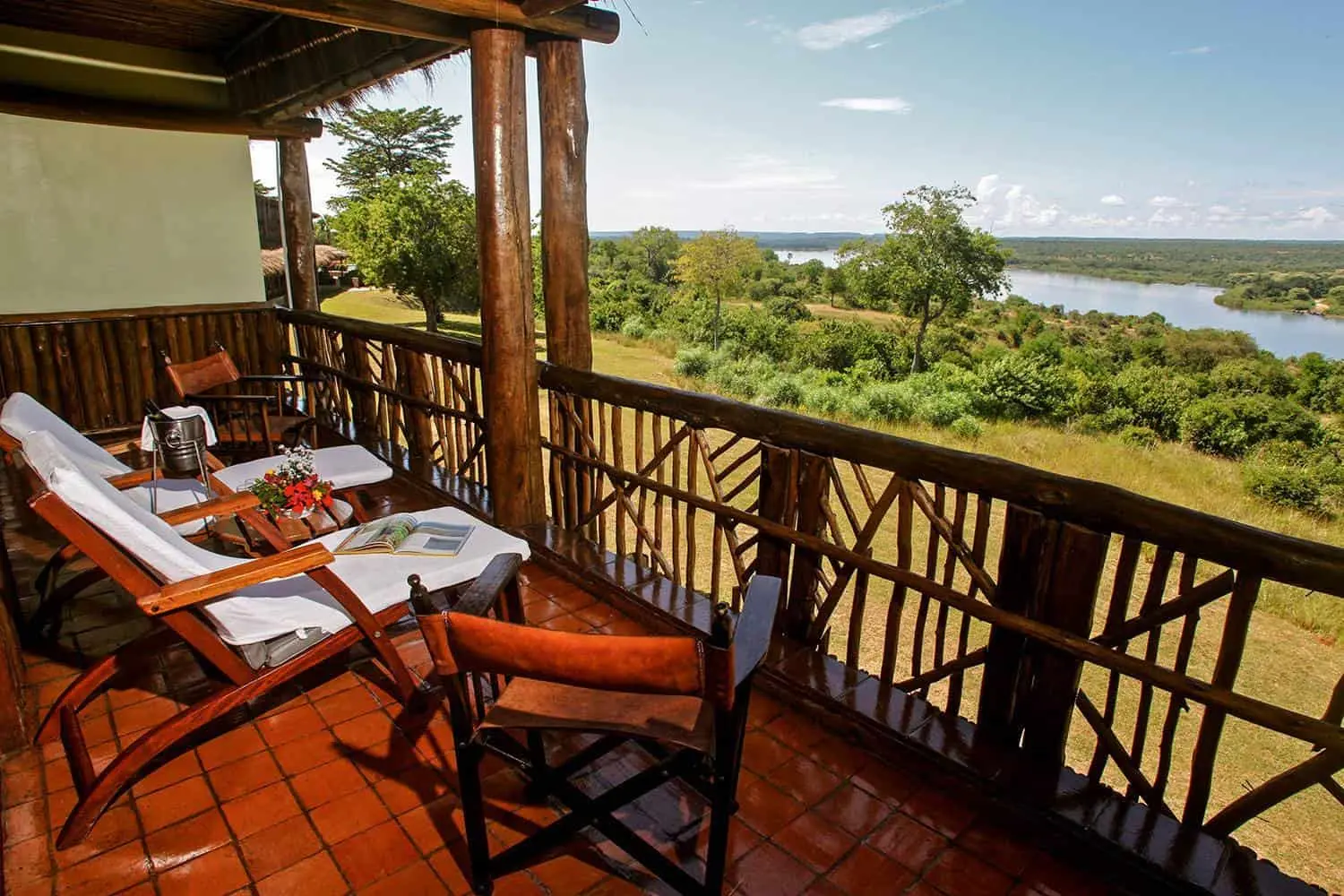
Paraa Safari Lodge
Category: Luxury
Best For: Game drives, Nile boat safaris
and convenient access to the northern wildlife area.
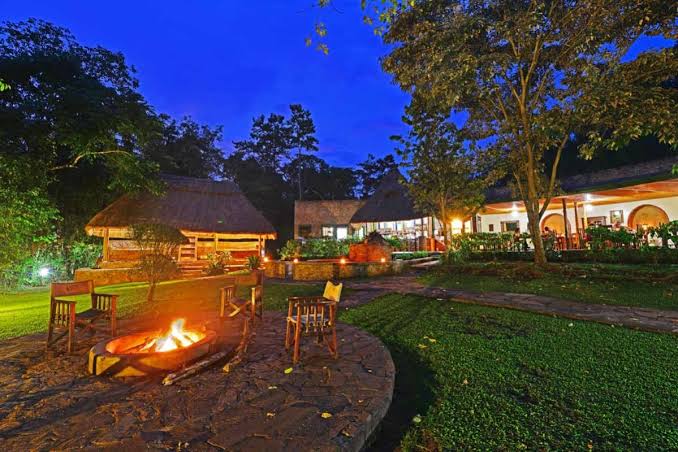
Primate Lodge Kibale
Category: Luxury
Best For: Chimpanzee tracking, forest stays
and easy access to the main trekking area.
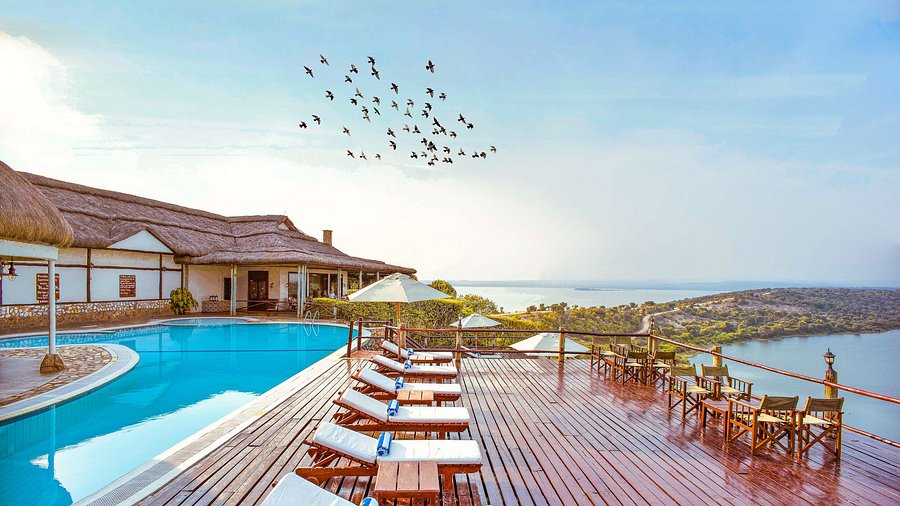
Mweya Safari Lodge
Category: Luxury
Best For: Kazinga Channel boat safaris,
game drives and views across the Mweya Peninsula.
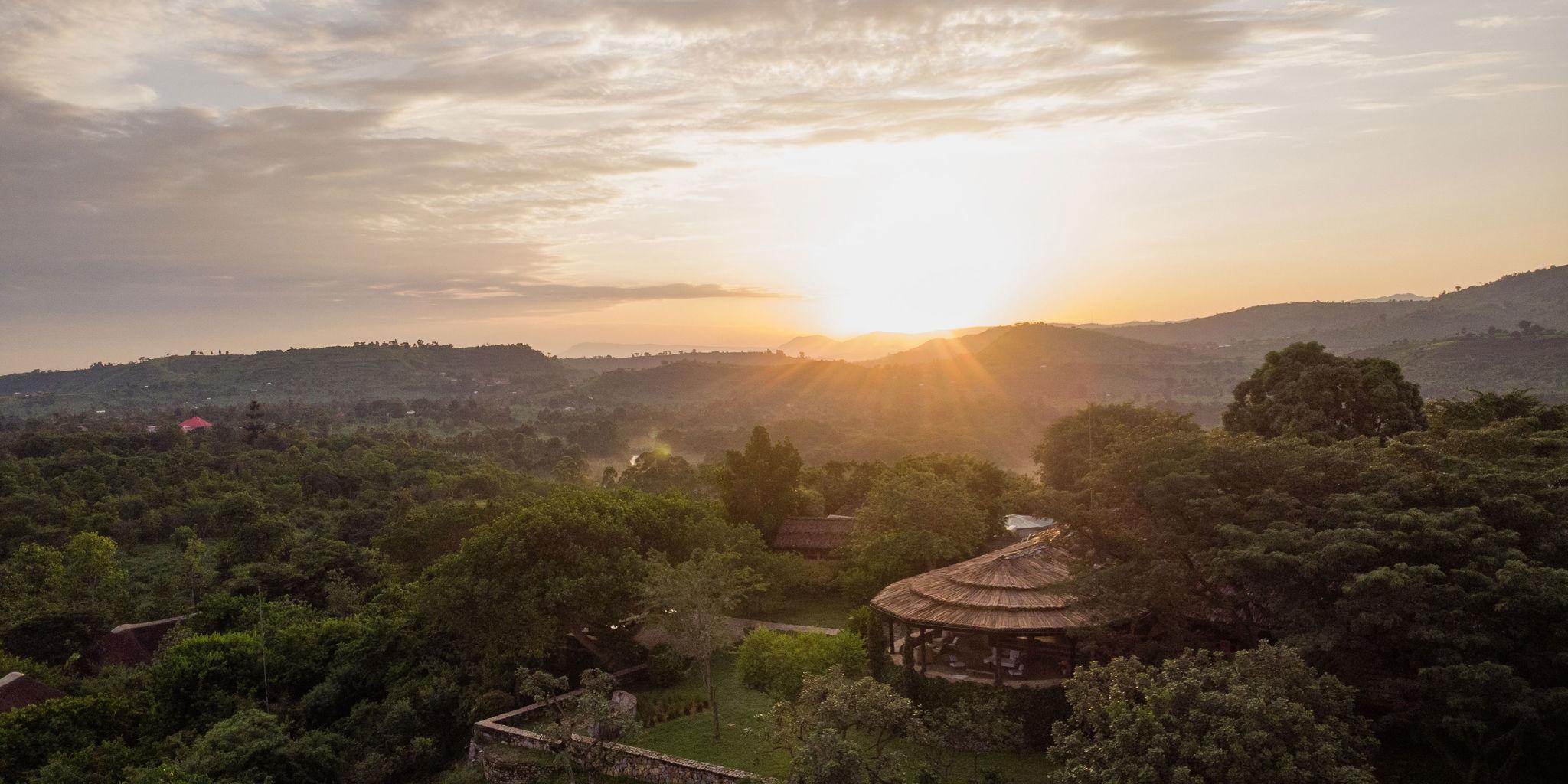
Kyambura Gorge Lodge
Category: Luxury
Best For: Chimpanzee tracking, game drives
and combining Queen Elizabeth with Bwindi.
How to Plan a Uganda Safari Itinerary
Because the major parks are spread around the country, Uganda safari routes may require longer driving durations than many tourists expect. From Entebbe or Kampala, a safari may travel to Murchison Falls, Kibale, Queen Elizabeth, Bwindi, Lake Mburo, or Kidepo. Each itinerary requires sufficient time for transfers, activities, and relaxation. For example, the trip to Bwindi from Kampala or Entebbe may take most of the day, depending on the route, traffic, weather, and road conditions. Before the schedule is finalised, visitors who wish to minimise lengthy car transfers may want to think about domestic flights on specific routes
Getting a gorilla permit is one of the most essential elements of planning a safari in Uganda. Before confirming lodging and transportation, it is advisable to check permit availability as soon as the trekking date is known. Because permits are restricted and linked to particular trekking dates and locations, this is especially important during periods of high travel demand. To avoid excessive movement on the trekking day, a well-planned Uganda gorilla trekking safari should align with the permit sector, lodge location, and route flow.
Due to the steep, muddy, and uneven forest setting, gorilla trekking requires a moderate level of fitness. Trekking time in Bwindi can vary based on the location of the gorilla family on the tracking day. Some hikes are shorter, while others take many hours. Porters are typically available at $20 at the sector headquarters and are strongly advised for hikers who need more assistance or who are carrying photography equipment. Additionally, there is a minimum age requirement, which is 15 years for gorilla trekking, and because gorilla health is closely maintained, tourists who are obviously ill may not be permitted to hike.
Uganda’s road conditions vary by region. While some park access roads and rural routes may become slower after heavy rain, main roads connecting large towns like Kampala, Mbarara, and Fort Portal are usually easier to navigate. Patience may be needed on the roads around places like Ishasha, areas of Murchison Falls, and more isolated safari sites, particularly during rainy seasons. For game drives, park entrance, and long-distance safari travel, a suitable 4WD safari vehicle is crucial.
Uganda Safari by Road or Domestic Flight
Private 4WD safari vehicles with a qualified driver-guide operate the majority of safaris in Uganda. Since many safari routes combine extensive distances with park roads that need a powerful vehicle, this is the most practical form for road transfers, wildlife drives, and travel between parks. Entebbe or Kampala serves as the primary starting and finishing points for the western circuit, which includes Kibale National Park, Queen Elizabeth National Park, Bwindi Impenetrable National Park, and Lake Mburo National Park.
Road travel gives travellers a closer feel of Uganda because the journey passes through towns, farms, tea estates, crater lake areas, highlands and roadside markets. However, driving times must be planned realistically. A route that looks simple on a map can still take several hours because of traffic, road conditions, weather and park access roads.
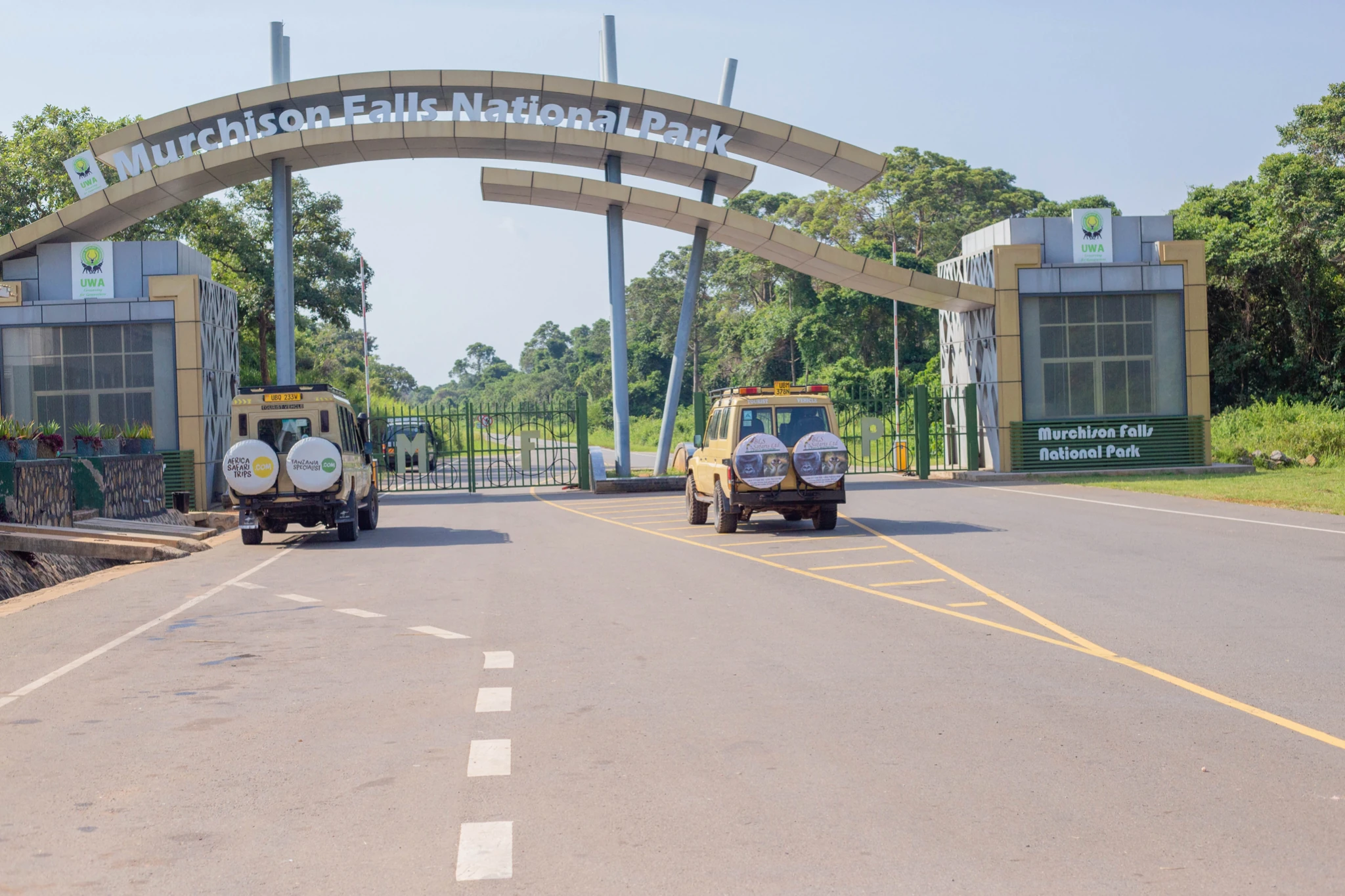
For travellers who wish to shorten lengthy transfer times, domestic flights are helpful, particularly on routes that pass through Bwindi, Queen Elizabeth National Park, Kidepo Valley National Park, or Murchison Falls National Park. Airstrips like Pakuba for Murchison Falls, Kasese for Queen Elizabeth, Apoka for Kidepo, and Kihihi or Kisoro for gorilla trekking routes are all accessible via flights from Entebbe or Kajjansi. Depending on the route, aircraft, season, and baggage capacity, domestic safari flights cost from USD 150 to USD 300 per person one way.
Since public transport does not align with park activity times, lodge locations, luggage needs, or game drive requirements, it is not appropriate for the majority of Uganda safari itineraries. Major towns may be connected by coaches and shared minibuses, but protected areas require early starts, 4WD access, and flexibility in mobility, making them impractical to reach.
Visa planning should also be handled before travel. A Uganda single-entry tourist visa currently costs USD 50, while the East Africa Tourist Visa costs USD 100 and can be useful for travellers combining Uganda, Kenya and Rwanda in one itinerary. Visa fees are non-refundable and may be subject to bank charges. Travellers should apply online before travel and check current requirements based on nationality, route and entry point.
For BLS Safaris, mobility planning involves more than just deciding whether to fly or drive. It involves tailoring the itinerary to the traveler’s schedule, comfort level, and financial limitations. While some tourists prefer flying to save time and reduce fatigue, others prefer overland travel because it offers a deeper understanding of the country. The parks covered, the number of days available, the trip season, and the amount of time the traveller wishes to spend travelling between locations all influence the optimal choice.
How to Choose a Uganda Safari Operator
One of the most essential elements of planning a successful trip is selecting the best Uganda safari operator, particularly if the itinerary involves gorilla trekking, chimpanzee tracking, lengthy road transfers, or visiting multiple national parks. A competent operator does more than just set up lodging and transportation. They understand permit timing, lodge locations, route flow, park access, guide quality and how each safari day works on the ground.
The operator should be capable of properly managing permit planning for gorilla trekking, matching the permit sector with the appropriate accommodation and route. This is especially important in Bwindi Impenetrable National Park, where trekking sectors are spread widely. Even if a visitor has a valid permit, the trekking day may become unduly exhausting if the lodge is located in the incorrect sector. A competent Uganda safari operator first verifies the availability of permits before planning lodging and transportation based on the confirmed trekking site.
Primate-focused safaris also need careful sector knowledge. Buhoma is often considered one of the more accessible Bwindi sectors, while areas such as Nkuringo can involve steeper terrain and a more demanding trekking experience. The best choice depends on the traveller’s fitness level, available permits, lodge preference and wider route. This is where experienced planning matters because the easiest route on paper is not always the best route for the traveller.
Another important issue is guide quality. The entire safari experience, from road transfers and arranging to wildlife explanations and park navigation, is shaped by a qualified driver-guide. Travellers should be confident that the guide is knowledgeable about the parks on the itinerary, not simply the major routes that connect them. Regular park experience can enhance timing, route selection, and overall game-viewing flow for safaris that focus on wildlife.
For longer routes involving remote parks such as Kidepo Valley National Park, the operator should understand both road and flight logistics. Kidepo can be reached by road with enough time, but some travellers may prefer a fly-in arrangement to reduce long transfers. When flights are involved, timing, luggage limits, airstrip access and onward lodge transfers must be arranged clearly before the safari begins.
A trustworthy Uganda safari operator should be open and honest about what is and isn’t included, how permits are handled, which lodges are being used, and the rationale behind the route’s order. The most successful operators offer more than just a list of destinations. They create realistic safaris that take into account the traveler’s time, budget, comfort level, and primary interests.