
What Is the Age Limit for Chimpanzee Trekking?
July 2, 2025
How Old Do You Have to Be to Gorilla Trek in Uganda?
July 2, 2025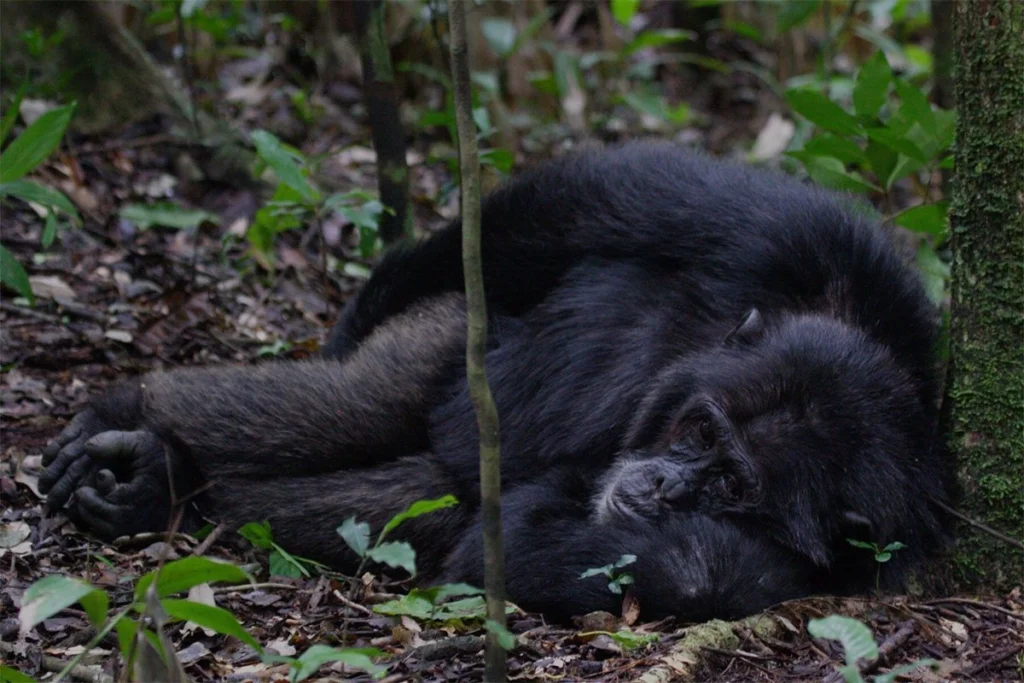
Is Chimpanzee Trekking Ethical?
One of the most popular wildlife safari activities in East Africa is chimpanzee tracking, alongside other iconic experiences such as Gorilla Trekking and Gorilla Trekking Rwanda. But as wildlife tourism grows, so do important questions regarding conservation, animal welfare, and responsible travel. Many travelers ask: Is chimpanzee trekking ethical? This question is crucial when planning a Uganda safari or Rwanda safari, as both countries offer exceptional chimpanzee tracking experiences. In this article, BLS Safaris Ltd takes a deep dive into the ethical considerations surrounding chimpanzee trekking, how it affects wildlife and local communities, and why combining this with Uganda Gorilla Trekking offers a holistic and responsible safari experience.
The Foundations of Ethical Chimpanzee Trekking
Conservation Efforts and Wildlife Protection in Uganda and Rwanda
To understand Is chimpanzee trekking ethical?, it’s essential to examine the conservation frameworks that govern chimpanzee tracking in East Africa. Both Uganda and Rwanda have established stringent wildlife protection laws and management authorities like the Uganda Wildlife Authority (UWA) and Rwanda Development Board (RDB), which regulate chimpanzee trekking permits and enforce ethical guidelines. These regulations limit daily visitor numbers, impose minimum trek durations, and mandate strict health protocols to protect chimpanzee populations from human-borne diseases. For example, in Uganda’s Kibale National Park and Rwanda’s Nyungwe Forest National Park, guided chimpanzee tracking follows strict rules, including maintaining safe distances and limiting viewing time to one hour. These rules are designed to preserve the chimpanzees’ natural behavior and reduce stress, ensuring that chimpanzee tracking is a conservation-friendly activity rather than a disruptive tourist attraction.
Moreover, these guidelines support broader wildlife safari goals by promoting sustainable tourism. This careful approach means that chimpanzee tracking doesn’t just entertain visitors; it actively funds habitat protection, anti-poaching patrols, and community education programs. When considering Is chimpanzee trekking ethical?, knowing that proceeds support conservation highlights the positive impact that well-managed tours have on endangered wildlife and forest ecosystems.
The Role of Local Communities in Ethical Wildlife Safaris
Cultural Experiences and Community Benefits in Uganda and Rwanda Safaris
Another dimension of the question Is chimpanzee trekking ethical? relates to the involvement and welfare of local communities. In both Uganda and Rwanda, wildlife tourism—especially chimpanzee tracking—has become a powerful catalyst for community development. Tour operators like BLS Safaris Ltd emphasize community engagement through cultural experiences, such as visits to traditional villages, local craft markets, and cultural dance performances, which accompany many wildlife safaris.
These cultural interactions provide alternative income streams for local people, reducing the pressure to engage in illegal activities like poaching or deforestation. For example, combining Uganda Gorilla Trekking with chimpanzee tracking allows travelers to immerse themselves in the rich cultural tapestry of the region, including Batwa pygmy experiences or traditional Ugandan hospitality. This integration fosters mutual respect between tourists and indigenous groups, creating a shared incentive to protect chimpanzees and gorillas alike.
By ensuring that local communities benefit directly from tourism revenues, ethical chimpanzee trekking promotes sustainable livelihoods, empowerment, and conservation advocacy. This community-centered approach is fundamental when answering the question Is chimpanzee trekking ethical?, as it demonstrates how tourism can be a force for good beyond wildlife observation.
Health and Safety Protocols: Minimizing Impact on Chimpanzees
Strict Guidelines to Ensure Ethical Chimpanzee Tracking
One of the main concerns behind the question Is chimpanzee trekking ethical? is the potential health risk posed by human visitors to wild chimpanzee populations. Chimpanzees share approximately 98.7% of their DNA with humans, making them highly susceptible to diseases such as colds, flu, and even COVID-19. Consequently, wildlife authorities in Uganda and Rwanda have implemented rigorous health and safety protocols as prerequisites for participating in chimpanzee tracking.
Visitors are required to undergo health screenings, maintain a minimum distance of seven meters from chimpanzees, and wear face masks during treks. Trekking groups are kept small to limit stress on the animals, and the maximum viewing time is capped at one hour to minimize disturbance. Additionally, hand sanitizers and hygiene practices are enforced throughout the trek. These measures ensure that the wildlife safari experience aligns with ethical standards, safeguarding the well-being of the chimpanzees while allowing visitors a rare opportunity to observe them in their natural habitat.
These strict guidelines address one of the core concerns surrounding Is chimpanzee trekking ethical? by balancing human curiosity with the imperative to preserve chimpanzee health and natural behaviors, which ultimately supports conservation goals.
Environmental Sustainability in Chimpanzee Trekking Safaris
Responsible Tourism and Habitat Preservation
In addressing the question Is chimpanzee trekking ethical?, environmental sustainability is another essential factor. Chimpanzee habitats—dense tropical forests in Uganda and Rwanda—are fragile ecosystems that require careful protection. Chimpanzee trekking tourism generates revenue that directly funds habitat conservation, reforestation, and anti-poaching initiatives, helping to preserve these critical ecosystems for future generations.
Tour operators like BLS Safaris Ltd prioritize low-impact trekking practices, such as staying on designated trails, avoiding littering, and educating visitors on the importance of conservation ethics. Combining chimpanzee tracking with Uganda Gorilla Trekking allows visitors to appreciate diverse primate habitats, supporting conservation efforts across multiple ecosystems. These combined safaris showcase how responsible tourism contributes to biodiversity protection.
The financial incentives from sustainable tourism also encourage governments and communities to invest in long-term forest protection and eco-tourism infrastructure. This synergy between tourism, conservation, and community development is a strong argument supporting the ethical nature of chimpanzee trekking when conducted responsibly.
Ethical Tourism Challenges and How They Are Addressed
Balancing Tourist Demand and Wildlife Welfare
Despite strong conservation frameworks, the question Is chimpanzee trekking ethical? must also consider ongoing challenges. High tourist demand can lead to overcrowding, increased stress on chimpanzee groups, and potential habitat degradation. To mitigate these risks, Uganda and Rwanda have implemented strict permit quotas and seasonal trekking limits, ensuring wildlife safari experiences remain sustainable and ethical.
Tour operators, including BLS Safaris Ltd, work closely with wildlife authorities to educate tourists about respecting chimpanzees and minimizing noise or disruptive behavior. Guides are trained to enforce ethical trekking practices and ensure that visitors adhere to guidelines. Furthermore, some parks are piloting “chimpanzee habituation” experiences that allow visitors closer encounters in a controlled, ethical manner.
By maintaining a balance between visitor interest and wildlife welfare, the question Is chimpanzee trekking ethical? can be answered positively when tours are carefully regulated and focused on conservation and education rather than mass tourism.
Combining Uganda Gorilla Trekking with Ethical Chimpanzee Tracking
A Holistic and Responsible Wildlife Safari Experience
For travelers curious about Is chimpanzee trekking ethical?, one excellent way to experience East Africa’s primate diversity responsibly is by combining chimpanzee tracking with Uganda Gorilla Trekking. This combination offers a profound appreciation of Africa’s most iconic wildlife while supporting conservation across multiple habitats.
Uganda’s Bwindi Impenetrable Forest and Mgahinga Gorilla National Park offer world-renowned gorilla trekking experiences, while Kibale National Park provides exceptional chimpanzee tracking. Together, they create a comprehensive wildlife safari that balances physical adventure with educational insight and cultural immersion.
This multi-primate safari encourages responsible tourism and raises awareness about the importance of protecting endangered species. BLS Safaris Ltd customizes these combined tours to ensure they meet ethical standards, comply with park regulations, and provide enriching cultural experiences with local communities, making it an ideal choice for conscientious travelers.
Cultural Experiences Enhancing Ethical Safari Tourism
Engaging with Local Heritage While Respecting Wildlife
When exploring Is chimpanzee trekking ethical?, cultural experiences are a vital complement to wildlife viewing. Both Uganda and Rwanda offer rich traditions that add depth and meaning to any safari itinerary.
Visitors can explore indigenous communities such as the Batwa pygmies, participate in traditional dance and music ceremonies, or visit artisan markets showcasing local crafts. These interactions foster cultural understanding and highlight the interdependence between people and the environment.
Combining cultural tours with chimpanzee tracking and Uganda Gorilla Trekking enhances the overall safari experience, encouraging responsible tourism that honors both wildlife and human heritage. BLS Safaris Ltd ensures that cultural activities are conducted respectfully, providing communities with tangible benefits and promoting sustainable practices.
Conclusion: Answering Is Chimpanzee Trekking Ethical? with Responsible Tourism
In summary, the question Is chimpanzee trekking ethical? is best answered through a lens of conservation, community involvement, and sustainability. When conducted under strict regulations and guided by experienced operators like BLS Safaris Ltd, chimpanzee tracking in Uganda and Rwanda supports wildlife protection, empowers local communities, and offers travelers a once-in-a-lifetime wildlife safari experience.
Combining chimpanzee tracking with Uganda Gorilla Trekking or Gorilla Trekking Rwanda adds value and diversity to your trip while reinforcing ethical tourism principles. By respecting age limits, health protocols, and environmental guidelines, you help ensure these incredible species continue to thrive for generations to come.
Plan your next Uganda safari or Rwanda tour with BLS Safaris Ltd for an ethical, unforgettable journey into the heart of Africa’s primate wilderness.