Where is the Best Place for Chimpanzee Trekking?
July 1, 2025
Is Gorilla Trekking Easier in Uganda or Rwanda?
July 1, 2025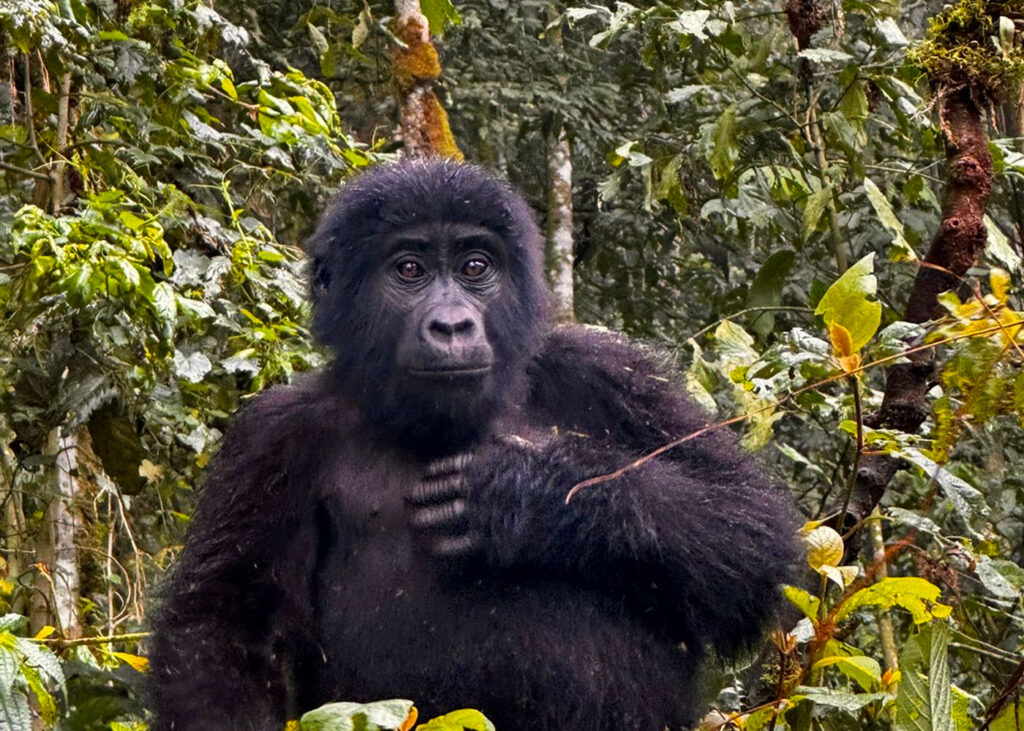
What is the Difference Between Gorilla Trekking and Chimpanzee Trekking?
When planning an East African wildlife safari, many travelers ask, what is the difference between gorilla trekking and chimpanzee trekking? Both activities offer unforgettable opportunities to see primates in their natural habitats, yet each experience is distinct in terms of the terrain, behavior of the animals, and overall trekking conditions. Whether you choose a Uganda safari or a Rwanda safari, understanding these differences will help you select the perfect adventure tailored to your interests and physical abilities.
Gorilla trekking and chimpanzee tracking are two of the most sought-after wildlife experiences in Africa, drawing visitors from across the globe to countries like Uganda and Rwanda. These safaris not only showcase incredible primate encounters but also immerse travelers in breathtaking landscapes, diverse wildlife, and vibrant local cultures. Whether it’s Gorilla Trekking Rwanda’s dense volcanic forests or Uganda Gorilla Trekking’s lush rainforests, each destination has its unique appeal.
In this article, BLS Safaris LTD will explore the key differences between gorilla trekking and chimpanzee trekking, delve into what each experience entails, and highlight how combining these activities can enrich your overall safari. We will also touch on the cultural experiences available nearby and how they complement the wildlife adventures.
Terrain and Trekking Experience: Contrasting Gorilla Trekking and Chimpanzee Tracking
The Physical Nature of Gorilla Trekking Versus Chimpanzee Trekking
One of the main differences between gorilla trekking and chimpanzee trekking lies in the terrain and trekking difficulty. Gorilla trekking, whether in Uganda’s Bwindi Impenetrable Forest or Rwanda’s Volcanoes National Park, typically involves trekking through dense mountainous forests at higher altitudes. The terrain can be steep, muddy, and challenging, requiring trekkers to be in good physical condition. The forests are thick, and the routes can be tough, but the reward is the unforgettable encounter with majestic mountain gorillas.
In contrast, chimpanzee trekking is generally less physically demanding. Most chimpanzee tracking takes place in lower-altitude tropical forests like Uganda’s Kibale Forest or Rwanda’s Nyungwe Forest. These forests feature well-maintained trails and gentler slopes, making chimpanzee trekking accessible to a broader range of travelers, including families and those seeking a moderate hike.
Both trekking experiences require a reasonable level of fitness and the willingness to spend several hours in the forest. However, Uganda Gorilla Trekking often demands more stamina and resilience due to the steep climbs and rugged pathways compared to the more manageable forest walks during chimpanzee tracking. Knowing these distinctions will help you prepare appropriately and choose the experience that best fits your preferences.
Behavior and Social Dynamics: How Gorillas and Chimpanzees Differ in the Wild
Observing Unique Primate Behaviors During Gorilla Trekking and Chimpanzee Tracking
Another important aspect to understand when comparing gorilla trekking and chimpanzee trekking is the behavior and social dynamics of these two primate species. Mountain gorillas are known for their gentle, calm demeanor and spend much of their time feeding, resting, and nurturing their young within close-knit family groups. When you participate inGorilla Trekking RwandaorUganda Gorilla Trekking, you witness the remarkable bonds between silverbacks, females, and infants in a relatively stationary setting. The interaction is often peaceful and intimate, providing a deeply emotional wildlife safari moment.
Chimpanzees, on the other hand, are highly active, vocal, and social animals with complex hierarchies. During chimpanzee tracking safaris, you’ll observe more dynamic behavior such as grooming, play fighting, foraging, and vocal communication, including loud hoots and calls that echo through the forest. This lively behavior adds excitement to chimpanzee trekking, but it also means that chimpanzees are often moving quickly through the trees, making the trek more unpredictable and adventurous.
Understanding these behavioral differences enhances your expectations and appreciation for each wildlife safari. While gorilla trekking offers profound moments of connection and tranquility, chimpanzee trekking immerses you in the vibrant and noisy world of the forest’s most agile primates.
Conservation and Permits: Navigating the Logistics of Gorilla and Chimpanzee Trekking Safaris
The Role of Conservation Efforts and Permit Systems in Both Safaris
Both gorilla trekking and chimpanzee tracking are tightly regulated conservation activities aimed at protecting these endangered species and their habitats. When deciding what is the difference between gorilla trekking and chimpanzee trekking?, it is crucial to consider the permit systems and conservation frameworks governing these experiences.
In Uganda and Rwanda, permits are required for both types of trekking. Gorilla trekking permits tend to be more expensive due to the higher costs associated with protecting the mountain gorilla populations, which are critically endangered and found in limited numbers. For example, Gorilla Trekking Rwanda permits usually cost more than chimpanzee trekking permits because of the intensive efforts to habituate gorilla groups and the strict visitor limits imposed to minimize disturbance.
Chimpanzee trekking permits, while generally more affordable, are still essential to control visitor numbers and fund conservation efforts. Both Uganda safari and Rwanda safari operators adhere to stringent guidelines to ensure sustainable tourism that benefits local communities and preserves wildlife.
By securing permits through reputable tour operators like BLS Safaris LTD, travelers contribute directly to ongoing conservation, research, and community development projects, ensuring the longevity of these incredible safari experiences for future generations.
Cultural Experiences: Enhancing Your Gorilla and Chimpanzee Safari with Local Traditions
Immersing in the Rich Cultures Around Gorilla and Chimpanzee Habitats
Beyond the wildlife, one of the most enriching aspects of both gorilla trekking and chimpanzee trekking safaris is the opportunity to engage with the vibrant cultures of Uganda and Rwanda. Visitors frequently ask how to make the most of their safari by including cultural encounters alongside wildlife adventures.
Communities surrounding Bwindi Impenetrable Forest, Volcanoes National Park, and Kibale Forest have rich traditions that travelers can explore. For example, visiting the Batwa pygmies—forest hunter-gatherers—provides insight into ancient ways of life intimately linked to the forest ecosystems. Cultural tours often feature traditional dances, music, storytelling, and craft making, allowing visitors to appreciate the human heritage intertwined with the wildlife safari.
Including cultural visits in your itinerary not only enriches your safari but also supports local livelihoods and conservation initiatives. Many safari packages, including those offered by BLS Safaris LTD, offer the possibility of combining Uganda Gorilla Trekking or Gorilla Trekking Rwanda with immersive cultural experiences, creating a balanced and authentic East African safari.
Combining Gorilla Trekking and Chimpanzee Tracking: The Ultimate Primate Wildlife Safari
Planning a Comprehensive Uganda or Rwanda Safari That Includes Both Treks
For travelers who want to maximize their East African safari, combining gorilla trekking and chimpanzee tracking is a popular and rewarding option. Many ask, what is the difference between gorilla trekking and chimpanzee trekking?, but equally important is knowing how to integrate both experiences into one seamless adventure.
In Uganda, a popular itinerary involves chimpanzee tracking in Kibale Forest followed by gorilla trekking in Bwindi Impenetrable Forest or Mgahinga Gorilla National Park. This combination provides contrasting yet complementary primate encounters, showcasing different ecosystems and species behaviors. Rwanda safari visitors can combine chimpanzee trekking in Nyungwe Forest with gorilla trekking in Volcanoes National Park.
Combining these safaris offers travelers a fuller understanding of East Africa’s primate diversity and maximizes the value of their trip. It also allows ample time for additional activities such as wildlife safaris in Queen Elizabeth National Park, boat cruises on the Kazinga Channel, and cultural tours. Operators like BLS Safaris LTD specialize in tailoring such comprehensive tours to fit your interests, budget, and schedule.
Conclusion: Choosing Between Gorilla Trekking and Chimpanzee Trekking for Your Next Safari
In conclusion, when pondering what is the difference between gorilla trekking and chimpanzee trekking?, it is clear that both offer unique and memorable wildlife safari experiences. Gorilla trekking immerses you in the serene presence of mountain gorillas in challenging terrain, while chimpanzee tracking delivers lively, dynamic encounters in accessible forest environments.
Both Uganda safari and Rwanda safari destinations provide world-class opportunities for these primate encounters, supported by strong conservation efforts and cultural richness. Whether you choose one or combine both, your safari promises awe-inspiring moments in nature and meaningful connections with local communities.
BLS Safaris LTD is dedicated to guiding you through the planning and execution of your perfect gorilla and chimpanzee trekking safari. Contact us today to explore how you can experience the best of East Africa’s wildlife and culture, creating unforgettable memories on your next safari adventure.