What Are the Best National Parks in Uganda for Game Drives?
July 12, 2025
12-Day East Africa Safari
August 8, 2025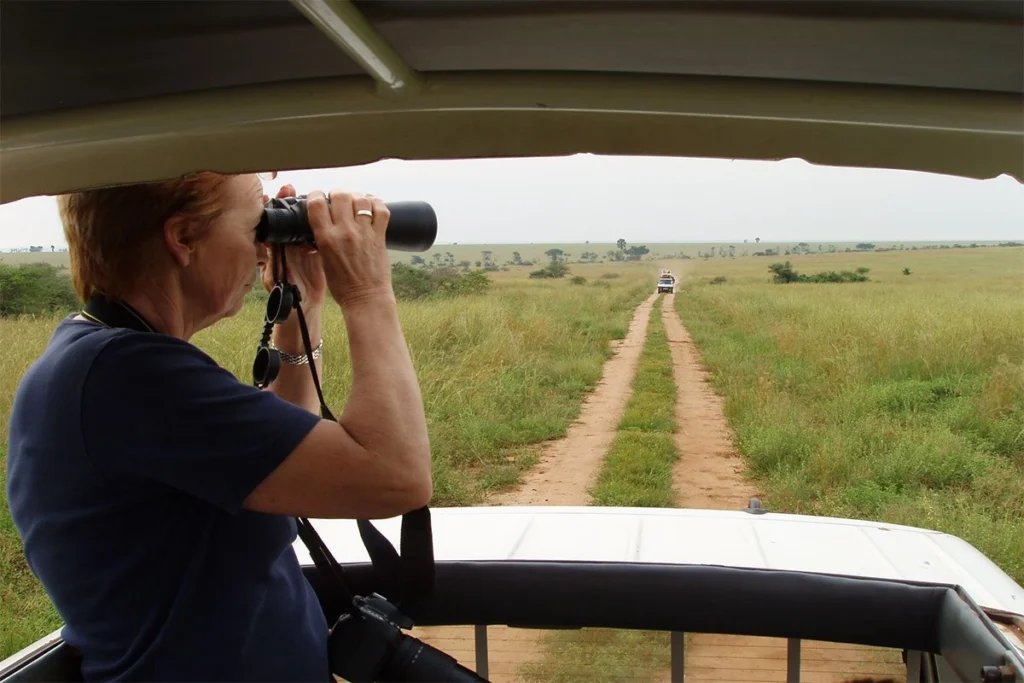
Are Uganda’s Game Drive Safaris Safe?
Are Uganda’s Game Drive Safaris Safe? is the essential question this guide answers for travellers considering an immersive wildlife safari in East Africa. Uganda has long been a core destination for Uganda safari lovers, offering a diversity of ecosystems, vibrant cultural experiences, and exceptional wildlife encounters. With park choices ranging from open savannahs to dense montane forests, visitors often wonder—how secure are game drives here? BLS Safaris Ltd delves into safety considerations, park regulations, local collaboration, and cross-border possibilities including Kenya Safaris, Tanzania Safaris, Rwanda Safari, Gorilla Trekking Uganda, Gorilla Trekking Rwanda, and Chimpanzee Tracking. This comprehensive look offers peace of mind, enabling travellers to confidently craft remarkable safari combinations—like merging Uganda Gorilla Trekking with wildlife adventures—while understanding all safety protocols and enriching experiences.
Park Structures & Safety Protocols in Uganda
Are Uganda’s Game Drive Safaris Safe? starts with outlining the robust infrastructure that makes wildlife safari moments not only memorable but secure. Uganda’s premier national parks—such as Queen Elizabeth, Murchison Falls, and Lake Mburo—feature clearly demarcated roads, well-trained guides, ranger patrols, and well-maintained vehicles. Tour operators such as BLS Safaris Ltd adhere to rigorous national park protocols, ensuring seatbelts during drives, first-aid kits on board, and communication tools for emergencies. As with Kenya Safaris and Tanzania Safaris, Uganda’s parks enforce stringent speed limits to prevent wildlife collisions and protect both guests and creatures.
In buffalo or elephant hotspots, both private and public rangers monitor animal movements around lodges and camps. Before game drives, guides conduct safety briefings that address wildlife behavior, emergency procedures, and how to interact with local communities respectfully. These precautionary measures work cohesively to maintain a high safety record. Additionally, Uganda uses park fees to fund anti-poaching units that patrol parks like Bwindi and Mgahinga, enhancing security for Gorilla Trekking Uganda and chimpanzee tracking. By adopting standardized procedures across all reserves, Uganda ensures that your wildlife safari experience is not only thrilling but also secure at every stage.
Navigating Terrain & Wildlife Behavior
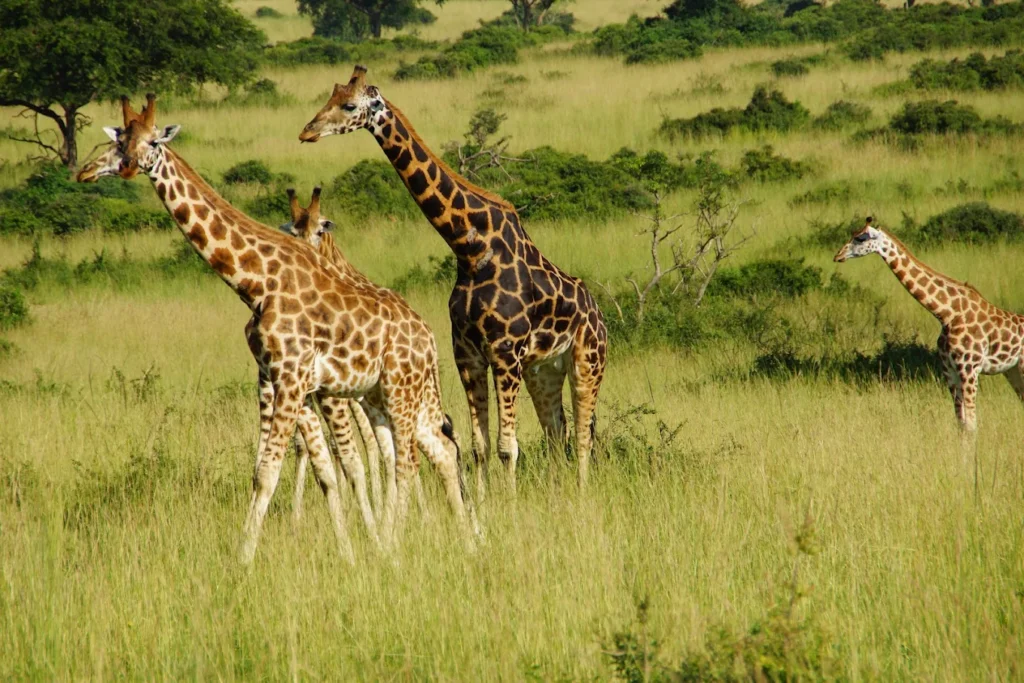
A key component in answering Are Uganda’s Game Drive Safaris Safe? is understanding how terrain and animal behavior inform drive protocols. With landscapes ranging from the wetlands of Queen Elizabeth to the steep slopes of Murchison Falls, Uganda’s parks offer varied driving conditions. Guides trained in wildlife safari protocols ensure vehicles maintain safe distances, particularly from unpredictable species like elephants or lions. In National Parks such as Lake Mburo, visitors follow structured routes and experience wildlife decisions—like crossing roads—under guided supervision.
Regarding predator proximity during Uganda safari drives, Uganda’s rangers, in collaboration with operators, use radio networks to monitor movements. This ensures multiple vehicles can coordinate and maintain safe viewing distances while minimizing disturbances. In areas prone to floods or rains, park crews rapidly repair roads and adapt routes to maintain safety and accessibility. Wildlife behavior awareness also extends to chimpanzee tracking in Kibale or Budongo forest, where guides brief clients on appropriate conduct and distances. This trained responsiveness to diverse terrain, weather, and animal behavior underscores why so many travellers ask, Are Uganda’s Game Drive Safaris Safe? The answer lies in adherence to best practices and continuous monitoring across Uganda’s national parks.
Park-Specific Safety & Cultural Integration
Are Uganda’s Game Drive Safaris Safe? also covers how different parks combine wildlife viewing with immersive cultural experiences, without compromising security. In Queen Elizabeth National Park, daytime game drives in regulated safari vehicles are supplemented by boat trips on Kazinga Channel—where guides brief travellers on moving slowly and keeping zones clear of hippos. Cultural encounters in fishing villages are held in designated, well-supervised areas, allowing visitors to interact safely with locals.
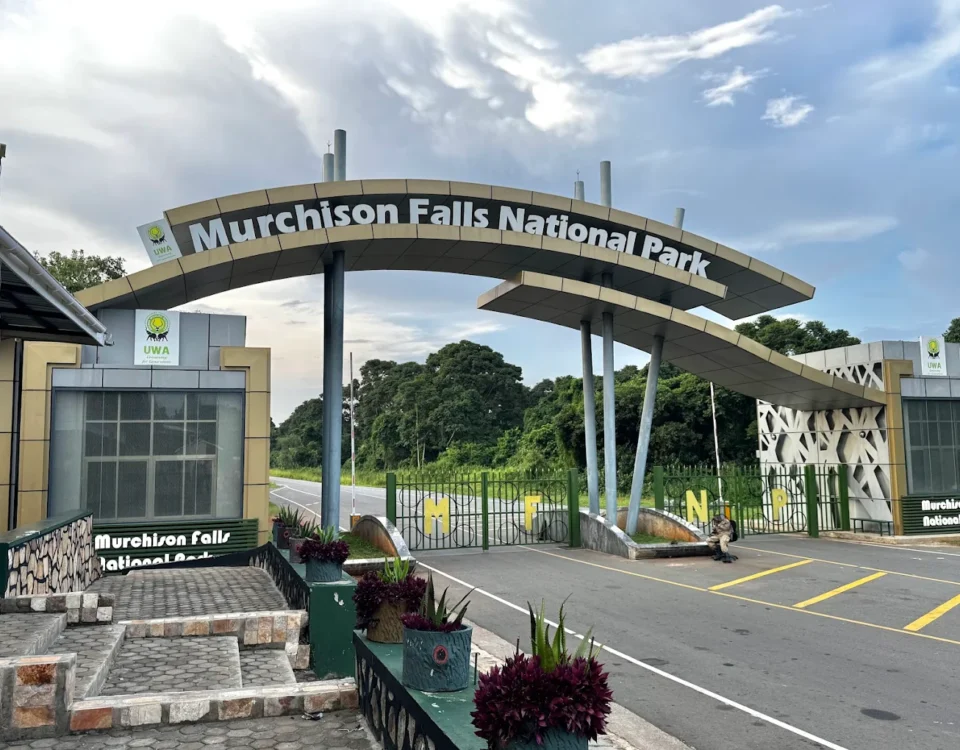
Within Murchison Falls National Park, safaris operate along the Nile’s edges where crocodiles and hippos reside. With boardwalks and ranger-guided boat safaris, visitors can marvel at the roaring falls from secure vantage points. Cultural visits to Acholi and Lango communities are facilitated by guides who act as cultural liaisons, helping with translation and ensuring respectful conduct. The controlled group sizes during these visits help preserve both safety and authenticity.
In Lake Mburo National Park, family-friendly evening game drives, guided birding walks along lake shores, and local community visits are all conducted within controlled settings. Activities like bike-safaris along well-maintained paths are organized in small groups with safety gear, ensuring a calm exploration. These integrated cultural components answer travellers seeking enriching experiences: Are Uganda’s Game Drive Safaris Safe? Yes—with proper guidelines, these interactions are both enjoyable and secure.
Gorilla Trekking and Cross‑Border Adventures
The question Are Uganda’s Game Drive Safaris Safe? becomes even more relevant when combining them with Gorilla Trekking Uganda, Gorilla Trekking Rwanda, or Rwanda Safari adventures. Gorilla trekking in Bwindi Impenetrable National Park requires strict permit systems, mandatory pre‑trek briefings, and a limit of eight trekkers per group. Rangers escort visitors through steep jungles, teaching on trail etiquette and emergency protocols—a rigorous process that ensures not only thrilling encounters but safety. This guided approach is a core pillar of responsible tourism.
At Mgahinga Gorilla National Park, similar protocols are in force, supplemented by the ease of combining with Rwanda visits. Cross-border regulations require advance planning: permits issued for Volcanoes National Park, liaison with Rwandan authorities, and logistical arrangements ensure safe passage. Tour operators like BLS Safaris Ltd manage these complex transitions, providing secure road or air travel. Travellers often do dual Gorilla Trekking Rwanda in Volcanoes and Gorilla Trekking Uganda in Mgahinga, capitalizing on security arrangements in both countries—mirroring the smooth, guided structure seen in traditional Kenya Safaris or Tanzania Safaris.
Finally, if you’re interested in Chimpanzee Tracking—as in Kibale or Budongo forests—a similar structure applies. Groups remain small, accompanied by experienced trackers and park guards who brief on handling wildlife and emergency response. With structured protocols, combining forest hikes, game drives, gorilla trekking, or chimp tracking becomes not just possible—but safe and commendable.
Health, Emergency and Community-Based Safety
A comprehensive look at Are Uganda’s Game Drive Safaris Safe? must include health measures and community collaboration. Malaria prevention is standard: during game drives and lodge stays, guests receive advice on prophylactics, essential vaccinations, and mosquito prevention methods—such as treated bed nets and indoor insect spraying. That same care extends to Kenya Safaris or Tanzania Safaris, illustrating how Uganda maintains global traveler health standards.
Medical readiness is another key focus: lodges and safari vehicles carry medical kits; in large parks such as Murchison Falls or Queen Elizabeth, air ambulances stand ready for swift evacuations. Some accommodations have medical staff onsite or contractual agreements with nearby clinics. BLS Safaris Ltd ensures all drivers and guides know emergency contacts, evacuation networks, and tracking systems. Given Uganda’s often rugged terrain, these precautions help travellers answer—firmly—Are Uganda’s Game Drive Safaris Safe?—even in remote locations.
Community involvement enhances the safety net. Rangers, local guides, and community scouts act as eyes and ears around park perimeters. Joint initiatives like clean-up programs and cultural tourism workshops create positive relationships that reduce wildlife conflict. When tourists engage with villagers in controlled, mutually respectful ways, it fosters goodwill and safeguards wildlife corridors. That sense of collaborative stewardship across parks ensures safer game drives in every aspect—wildlife, health, cultural, and ecological.
Final Thoughts: Confidence in Uganda’s Safari Safety
To directly answer Are Uganda’s Game Drive Safaris Safe?—yes, absolutely. Through rigorous protocols, experienced guides, and community partnerships, Uganda offers an immensely secure environment for wildlife safari, Uganda safari, Kenya safaris, Tanzania safaris, Rwanda safari, Gorilla Trekking Uganda, Gorilla Trekking Rwanda, and Chimpanzee Tracking. When combining gorilla trekking with game drives and cultural immersion, travellers can confidently embark on a richly varied adventure throughout East Africa.
BLS Safaris Ltd specializes in crafting such multi-layered safaris—offering peace of mind and unforgettable encounters across game reserves, rainforests, and volcanic highlands. Our commitment to safety, sustainability, and stunning wildlife experiences puts Uganda among the safest and most rewarding safari destinations in the world.