Frequently Asked Questions about Uganda Safaris
March 8, 2026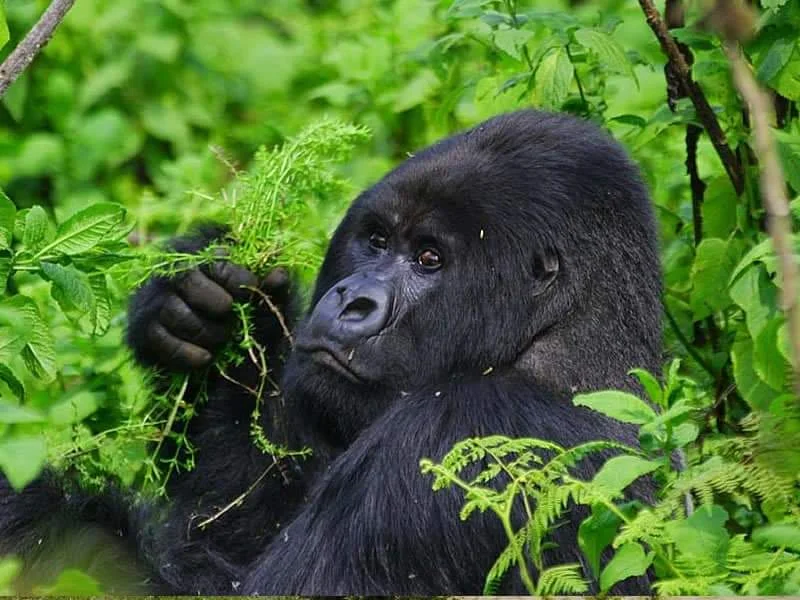
Uganda Vs Rwanda Gorilla Trekking – Which Is Better?
 Uganda Vs Rwanda Gorilla Trekking – Which Is Better?: Gorilla trekking is one of the world’s leading tourist attractions for many reasons. Many travelers planning a trek often find themselves in a state of confusion, deciding where to go. By the time you are reading this, I guess you are one of the many who ask themselves this kind of question. Let’s dive into it.bls
First of all, when we talk about gorilla trekking, both Uganda and Rwanda protect the endangered species and can offer great trekking experiences. There are, however, many other factors we can consider when deciding where to go, which we shall examine in this article.
Where can I go for gorilla trekking?
There are only three countries in the world where you will find mountain gorillas. These are: Uganda, Rwanda, and the Democratic Republic of Congo. Of the three destinations, Uganda and Rwanda dominate. I will tell you why. Uganda and Rwanda dominate the gorilla trekking tourism industry due to their strong conservation programs. There is also political stability and tourist safety compared to parts of Eastern Congo. Uganda and Rwanda have also invested heavily in tourism infrastructure, Including Roads, lodges, safari vehicles, and professional guides, helping travelers access gorilla habitats more easily.
Why Uganda and Rwanda?
To add on what you have read so far, over the years, Uganda and Rwanda have built strong reputations as leading destinations for gorilla trekking. Major travel organizations, conservation groups, and safari operators regularly promote these countries as safe and rewarding wildlife destinations. National parks like Bwindi Impenetrable Forest have even gained global recognition as UNESCO World Heritage Sites, which further increases international interest.
When you take a closer look at these and more, they explain the go-to places to consider for your gorilla trekking experiences. In this detailed guide by BLS Safaris Ltd., I will explain all the major factors that will influence your decision. By the end of this, you will clearly understand which country best matches your travel style, budget, and adventure expectations.
Understanding the Gorilla Trekking Experience
Imagine going through the dense, thick forest and finding a giant silverback. That gives you goose bumps, right? This kind of experience and magical moment can be found in both Uganda and Rwanda; however, in different ways.
Starting with Uganda, you can do gorilla trekking in Bwindi Impenetrable National Park and Mgahinga Gorilla National Park. According to the most recent comprehensive census of mountain gorillas, about 459 mountain gorillas live in Bwindi Impenetrable National Park and the adjacent Sarambwe ecosystem. These gorillas live in multiple family groups and solitary males scattered across the forest sectors of Buhoma, Ruhija, Rushaga, and Nkuringo.
With the global population of mountain gorillas estimated at around 1,063 individuals worldwide, Bwindi alone hosts about 459 individuals, which is nearly half of all mountain gorillas on Earth
Crossing into Rwanda, trekking occurs primarily within Volcanoes National Park.
The Gorilla Trekking Experience.
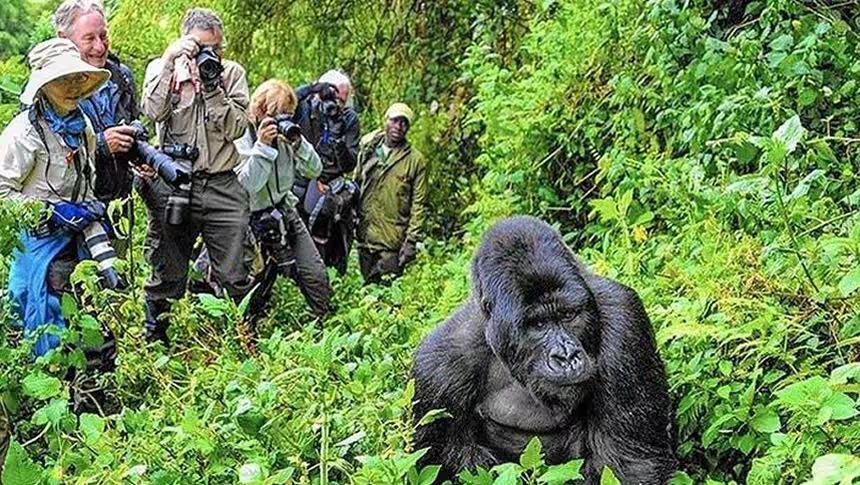 The adventure starts early in the morning, when the visitors move to the park headquarters for a mandatory briefing session with the rangers. You are given the trekking rules, safety procedures, and conservation guidelines to follow. This is done to protect you and the gorillas. After that, the officials assign each group of eight visitors to a specific gorilla family based on the trekking difficulty and the trekkers’ fitness levels. You may be wondering, why only eight? Well, it’s done to minimize disturbing the gorillas.
Following that arrangement, you are led through the forests by experienced rangers, while the trackers communicate the gorillas’ movement over the radio. During Gorilla trekking in Uganda, you should know that it could last several hours. Over that time, the trekkers navigate muddy trails (when it rains), steep hills, and thick vegetation on their way to the gorilla families.
Eventually, trekkers reach the gorilla family, either resting or feeding in the forest. Then the magical hour begins, observing these magnificent animals while maintaining a respectful distance. Watching gorillas interact, groom, and play creates unforgettable memories that define the entire safari experience.
Going back to our question, Uganda Vs Rwanda Gorilla Trekking – Which Is Better? The gorilla trekking experience is quite similar in both destinations; however, other factors that can influence your decision-making remain to be explored.
How much does Gorilla Trekking Cost in Uganda vs Rwanda?
This is where the differences start to take shape. Yes, you are right, the gorilla trekking permits determine the price by far. When it comes to budgeting, cost is the first priority. Let us discuss the gorilla permits first.
What is the Cost Of Gorilla Trekking Permits In Uganda?
According to the Uganda Wildlife Authority (UWA), the official gorilla trekking permit cost in Uganda varies by visitor category. These prices apply to trekking in Bwindi Impenetrable National Park and Mgahinga Gorilla National Park. The Cost of Gorilla Trekking Permits in Uganda is for foreign non-residents: US$800 per person, Foreign Residents (with work permit): US$700 per person, the rest of Africa (non-East African Community): US$500 per person, and East African Citizens: UGX 300,000 per person
With this permit, you are allowed to spend one hour with a habituated gorilla family, which includes ranger guides and park entry for the trekking day. Now let’s cross over to Rwanda.
What is the Cost of Gorilla Trekking Permits in Rwanda?
Regardless of the price difference, the permit covers the same experience as in Uganda (one hour with a gorilla family)
According to the Rwanda Development Board, the price depends on the visitor category: Foreign Non-Residents (international tourists): US$1,500 per person, Foreign Residents in Africa: US$500 per person, and Rwandan Citizens & East African Community (EAC) Citizens: US$200 per person. For most international travelers visiting Rwanda specifically for gorilla trekking, the standard permit price is US$1,500 per person per trek
Why are Gorilla trekking permits more Expensive in Rwanda than in Uganda?
You definitely must be wondering, why is the price of Gorilla Permits in Rwanda almost double that in Uganda? The reason is mainly due to the strategies applied by both countries.
Rwanda’s tourism strategy heavily relies on luxury. Rwanda intentionally limits visitor numbers despite charging premium prices to maintain an exclusive experience. Only eight visitors are allowed per gorilla family each day, which results in about 96 permits issued daily.
The case is different from Uganda. Uganda offers budget, mid-range, and luxury safari options, making gorilla trekking accessible to more people. That shows you that the strategy is to target a wider range of gorilla trekkers.
So, this is the conclusion of the matter. What is your interest? Is it affordability and longer gorilla encounters? Or it is Luxury. The Uganda gorilla trekking experience is very affordable. On the other hand, however, if you prefer a premium luxury safari environment, you will definitely go to Rwanda despite the higher permit price.
Is Gorilla Trekking easier in Uganda or in Rwanda?
When it comes to difficulty, I guess you worry about your fitness levels and the terrain, and sort of. Does the trekking difficulty answer our question: “Uganda Vs Rwanda Gorilla Trekking – Which Is Better?” Let’s look at it.
Uganda Trekking Environment
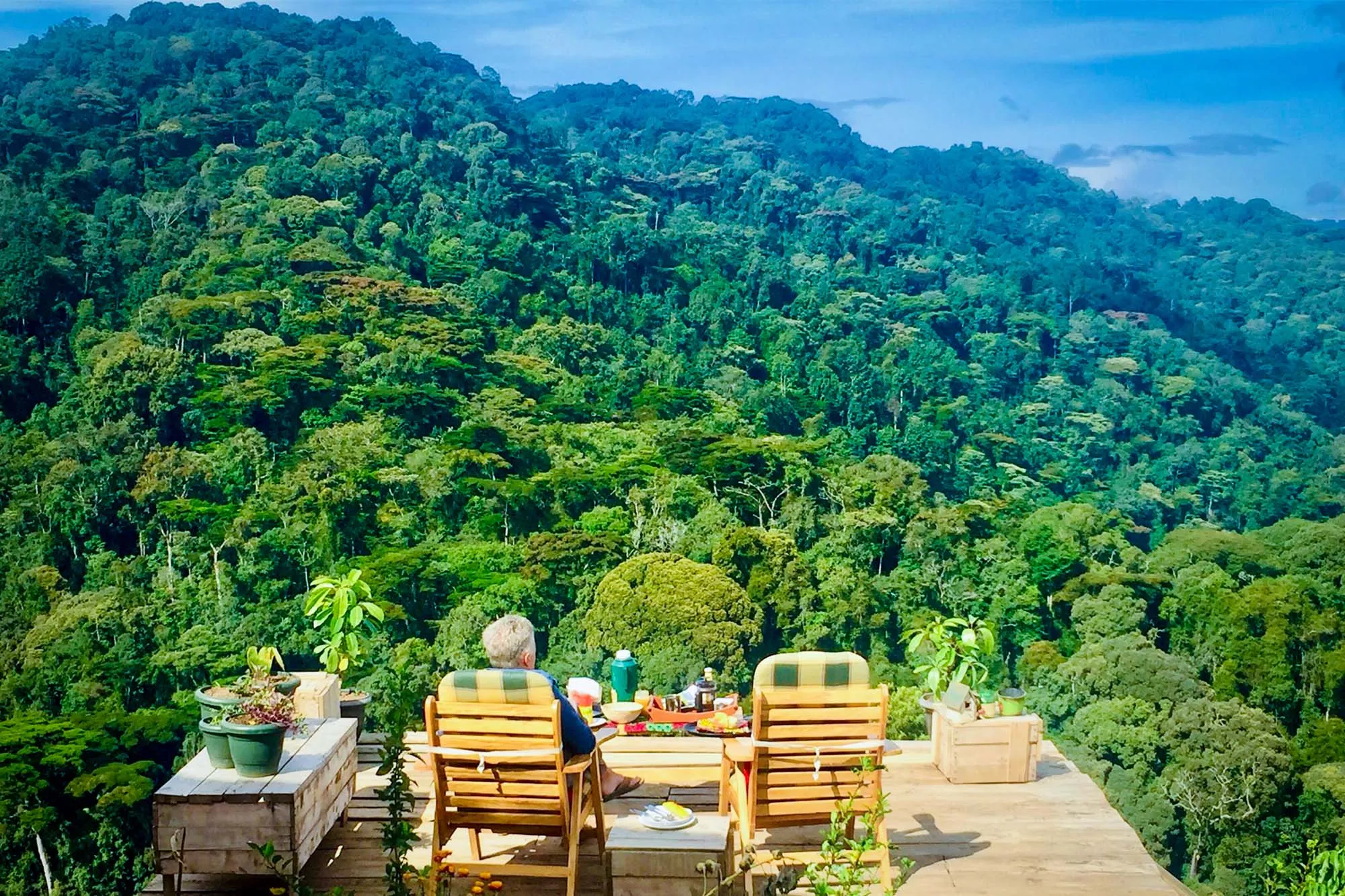 Bwindi Impenetrable National Park
If you are planning to go trekking in Uganda, you should expect to go through dense forests, steep slopes, and muddy terrain. Think about it, “Impenetrable”. The name alone gives you some kind of picture of what it can be like to trek in Bwindi Impenetrable National Park. Are you looking for a jungle-like experience? You then do not need to give it a second thought. It is Bwindi Impenetrable National Park all the way. Let’s go hiking.
What you will love about it is that it gives you a real feel of a wilderness. Given the terrain’s structure, trekking in Bwindi can be physically demanding, especially during the rainy season when trails become slippery and steep. However, interestingly, many travellers choose Bwindi because it offers a truly wild and authentic trekking experience that many consider more adventurous than other gorilla trekking destinations.
To add on that, the forest shelters hundreds of bird species, rare primates, and butterflies, to spice up your safari adventure.
Mgaginga Gorilla National Park
Mgahinga is also unique in its way. Mgahinga Gorilla National Park mainly consists of volcanic mountains, bamboo forests, and montane vegetation. There are three extinct volcanoes in Mgahinga: Mount Muhabura, Mount Gahinga, and Mount Sabyinyo, which dominate the landscape and provide breathtaking views during trekking.
Different from Bwindi, in Mgahinga you usually hike through open bamboo forests, montane woodlands, and volcanic slopes. The vegetation here is also less thick, which sometimes allows clearer views and easier movement along the trails.
Another advantage of trekking in Mgahinga is the quieter environment. There are fewer visitors to Mgahinga compared to Bwindi, allowing for a more peaceful and intimate encounter with gorillas.
Rwanda Trekking Environment.
As you would expect, trekking conditions in Rwanda differ slightly from Uganda.
Volcanoes National Park features bamboo forests and volcanic slopes that often allow shorter and more manageable treks. Trails sometimes feel more accessible compared with the thick jungles of Bwindi.
Are you time-barred or prefer an easier trek? The answer is trekking in Rwanda
- The beauty is that both countries group trekkers based on physical ability during the morning briefing. Rangers assign easier routes to those who need shorter hikes, while more adventurous hikers pursue gorilla families farther into the forest.
Therefore, when considering Uganda Vs Rwanda Gorilla Trekking – Which Is Better?, think about whether you prefer rugged adventure or a relatively easier trekking environment.
Accessibility and Travel Time
Accessibility remains another major factor for many travelers deciding between Uganda and Rwanda. Rwanda’s Volcanoes National Park is near to Kigali International Airport. From Kigali International Airport, you drive approximately two to three hours to reach Volcanoes National Park. This means you can begin trekking the day after arriving in the country.
On the contrary, Uganda’s gorilla parks lie farther from Entebbe International Airport, the main Airport in the land. After landing, on most occasions, you rest in accommodations near the Airport to recover from the long flight. Transfer then happens, usually the next day, travelling roughly eight to ten hours by road to reach Bwindi Impenetrable National Park.
There is an option to shorten the journey by taking domestic flights to nearby airstrips, but the cost increases slightly. Uganda’s longer journey, however, is very rewarding with scenic landscapes, cultural encounters, and opportunities to visit multiple national parks along the way.
- Now let’s decide, if you plan a short luxury trip focused mainly on gorilla trekking, Rwanda’s accessibility makes it very convenient. If you enjoy extended safari journeys and scenic road trips, Uganda becomes equally appealing.
Which Country has more mountain Gorillas and trekking options?
Another important comparison when discussing Uganda Vs Rwanda Gorilla Trekking – Which Is Better? involves the number of gorillas available for trekking.
For this specific category, I would say Uganda beats Rwanda hands down. Here is why.
Bwindi Impenetrable National Park alone hosts almost 50% of the global population of mountain gorillas and multiple habituated gorilla families available for tourism.
Since there are many gorilla families available in Uganda, you are more likely to have a better chance to when it comes to availability of the trekking permits and flexibility when choosing trekking dates.
Rwanda’s Volcanoes National Park protects fewer habituated gorilla groups. This limitation means permits often sell out quickly, especially during peak tourism seasons. Because of the higher demand and smaller number of gorilla families, you may need to book Rwanda trekking permits several months in advance. Nevertheless, Rwanda’s limited numbers create a more exclusive trekking environment with fewer visitors on the trails each day.
Uganda Vs Rwanda Gorilla Trekking – Which Is Better? Accommodation and Safari Experience
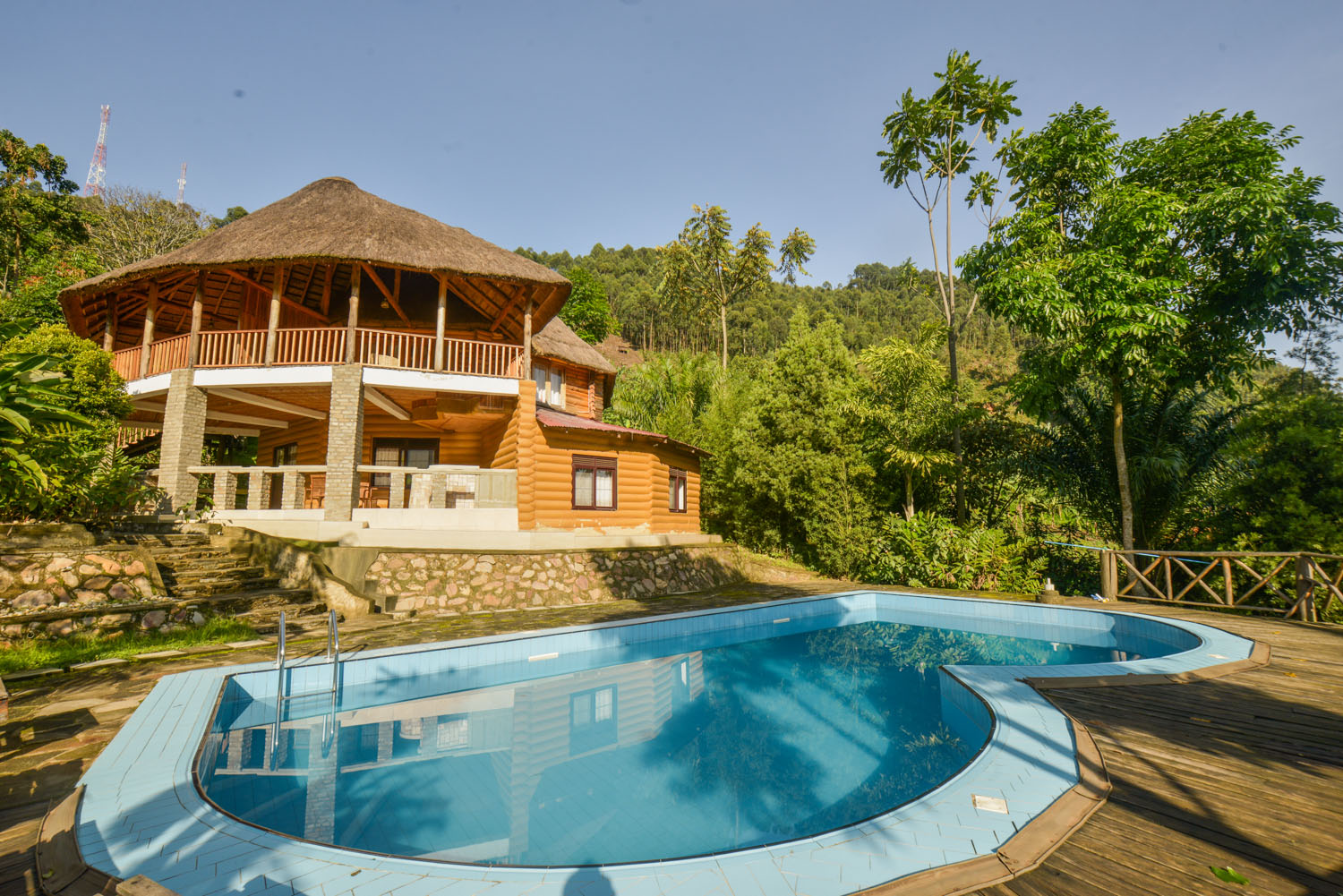 It is a big question of where you will stay during your trek. Let us look at the Accommodation choices at hand.
Uganda offers a wealth of lodging options near Bwindi and Mgahinga. There are budget, mid-range, and luxurious options available. Because of this great advantage, we can design safaris for you that suit different budgets.
Furthermore, in most cases, gorilla trekking in Uganda is combined with other wildlife experiences in national parks such as Queen Elizabeth National Park, Murchison Falls National Park, Kibale National Park, and others.
Apart from the gorillas, you are likely to also see lions, elephants, chimpanzees, hippos, and hundreds of bird species during the same safari.
In Rwanda, on the other hand, expect high-end luxury tourism. Many lodges near Volcanoes National Park provide exceptional comfort, personalized service, and stunning views of the Virunga volcanoes.
Therefore, when asking Uganda Vs Rwanda Gorilla Trekking – Which Is Better?, your answer may depend on whether you prefer luxury exclusivity or diverse safari experiences.
Conservation Impact
Every time you purchase a gorilla trekking permit, beyond the adventure lies a very important role: conservation.
Did you know that before major conservation programs began, mountain gorillas were classified as Critically Endangered (the highest category before extinction). According to the International Union for Conservation of Nature Red List. Not until 2018 did this status shift to Endangered, thanks to the efforts of the governments in Uganda, Rwanda, and the D.R.C.
This is achieved through revenue collected from gorilla trekking permits, which contribute immensely to conservation efforts. It caters to ranger patrols, veterinary programs, and community development projects around national parks.
There are strict rules governing gorilla trekking in Uganda and Rwanda, aimed at protecting gorillas. You will be tasked with keeping a safe distance, observing for only one hour, and avoiding visiting if there are any signs of illness.
Revenue generated from trekking permits helps local communities benefit directly from wildlife conservation. In Uganda, part of the permit revenue funds schools, health centers, and water projects in villages surrounding Bwindi.
These programs reduce poaching and encourage communities to protect gorilla habitats.
When deciding Uganda Vs Rwanda Gorilla Trekking – Which Is Better?, you can feel confident knowing that both countries prioritize conservation and responsible tourism.
What is the best Time to Go Gorilla Trekking?
Now let’s talk Timing. This also affects your trekking experience.
Both Uganda and Rwanda share similar equatorial climates with two dry seasons that provide the best trekking conditions: June to September, and December to February. This is also usually the high season for safaris in both countries. During these months, trails become less muddy and hiking becomes more comfortable.
However, gorilla trekking operates year-round. Even during rainy seasons, gorilla sightings remain excellent because the animals stay within their forest territories.
Therefore, when planning your safari and asking “Uganda vs Rwanda Gorilla Trekking – Which Is Better?”, you should focus more on budget and travel style than on season alone.
Which country is better for Gorilla Trekking, Uganda or Rwanda?
Still exploring the question we started with: Uganda Vs Rwanda Gorilla Trekking – Which Is Better? What is the final answer? It is a very tricky question, but this is what I have to say.
After carefully looking at all those reasons, the final verdict will all depend on your interests, as there is no definite answer. Let us summarize what each country has over the other, and I will leave the choice as always to you.
Uganda stands out as the best option if you:
- Want a more affordable gorilla trekking permit
- Enjoy adventurous hiking experiences
- Plan to combine gorilla trekking with a broader wildlife safari
- Prefer flexible travel options and more gorilla families
Rwanda becomes the better choice if you:
- Prefer luxury safari experiences
- Have limited travel time
- Want easier trekking terrain
- Appreciate highly organized tourism infrastructure
Whether you choose Uganda or Rwanda for your gorilla trekking experience, I can tell you it is worth it. You will have an opportunity to stand close to these giant beings regardless of where you go. At the end of the day, you should consider the different factors we have discussed and then decide.
Conclusion
Like I said before, the question Uganda Vs Rwanda Gorilla Trekking – Which Is Better? does not have a single definite answer. Rather, the best destination depends on your personal preferences, travel budget, and adventure expectations.
Come to Uganda if you want to experience a jungle-like wilderness, or if you want a combination of gorilla trekking with other wildlife experiences. Or your interest may be in a more affordable safari; then Uganda is surely a strong option.
Alternatively, if you are a luxury tourist, have less time for gorilla trekking, or prefer shorter travel times, look no further than Rwanda.
Whichever destination you choose, gorilla trekking does not disappoint. Watching a silverback protect his family, observing playful baby gorillas, and hearing the forest come alive around you will live with you for the rest of your life.
At Bls Safaris Ltd, we specialize in designing customized gorilla trekking safaris in both Uganda and Rwanda. Our experienced guides help you plan the perfect itinerary while ensuring your journey supports wildlife conservation and local communities.
If you are still wondering Uganda Vs Rwanda Gorilla Trekking – Which Is Better?, the best step is to start planning your adventure. Once you stand face-to-face with a mountain gorilla in the wild, you will understand why this experience ranks among the greatest wildlife encounters in the world.
Book your Gorilla trekking Safari with us today and live to tell a lifetime memory.
Frequently Asked Questions about Uganda vs Rwanda Gorilla Trekking.
- Which country is better for gorilla trekking, Uganda or Rwanda?
Both countries offer incredible gorilla trekking experiences. Uganda offers a more affordable, adventurous trekking experience in Bwindi Impenetrable National Park, while Rwanda offers easier access and luxury tourism in Volcanoes National Park. The best choice usually depends on your budget, travel time, and preferred trekking experience.
- How much does gorilla trekking cost in Uganda vs Rwanda?
Gorilla trekking permits in Uganda cost about $800 per person, according to the Uganda Wildlife Authority. In Rwanda, permits cost $1,500 per person and are issued by the Rwanda Development Board. This price difference makes Uganda a more budget-friendly option for many travelers.
- Which country has more mountain gorillas?
Uganda hosts the largest population of mountain gorillas in the world, especially in Bwindi Impenetrable National Park, which protects nearly half of the global mountain gorilla population.
- Is gorilla trekking easier in Rwanda than in Uganda?
Trekking in Rwanda is generally considered slightly easier because gorilla families often live on volcanic slopes with lighter vegetation. In contrast, trekking in Bwindi usually involves thicker rainforest and steeper terrain.
- What is the best time of year for gorilla trekking?
The best time for gorilla trekking in both Uganda and Rwanda is during the dry seasons from June to September and December to February. During these months, trekking trails are less muddy and easier to hike.
- How long does gorilla trekking take?
A gorilla trek can take anywhere from two to eight hours, depending on where the gorilla family is located. Once the gorillas are found, visitors may spend one hour observing them in their natural habitat.
- How close can tourists get to mountain gorillas?
Visitors must stay at least 7 meters (about 23 feet) away from the gorillas to prevent disease transmission and ensure the animals remain undisturbed.
- Can gorilla trekking be combined with other safari experiences?
Yes. In Uganda, many visitors combine gorilla trekking with wildlife safaris in Queen Elizabeth National Park or chimpanzee tracking in Kibale National Park. These additional experiences make Uganda a great destination for a longer safari adventure.
- What should you wear for gorilla trekking?
You should wear: Hiking boots, Long trousers, long-sleeved shirts, Waterproof jackets, Gardening gloves, and insect repellent. These items help protect against mud, insects, and dense vegetation.
- Do you need to be physically fit for gorilla trekking?
Moderate fitness is recommended because gorilla trekking involves hiking through forests and mountainous terrain. However, rangers assign groups based on visitors’ fitness levels and ensure everyone can finish the trek.